
Ranji Trophy: Mumbai Beat Railways by 107 Runs as Last Four Wickets Fall for 15
**मुख्य उत्तर** रणजी ट्रॉफी ग्रुप डी मैच में मुंबई ने रेलवे को 107 रन से हराया। मुंबई ने 372 का लक्ष्य रखा; रेलवे 83/5 से 250/6 तक पहुंचा, फिर ड्रिंक्स ब्रेक के बाद आखिरी चार विकेट 15 रन में गंवाकर 265 पर ढह गया। **मुख्य तथ्य** - मुंबई ने रेलवे के सामने 372 रन का लक्ष्य रखा; मैच गुरुवार को खेला गया, दिनांक अपुष्ट है। - ईशान गोयल और जुबैर अली ने छठे विकेट के लिए 167 रन जोड़कर रेलवे को 83/5 से 250/6 तक पहुंचाया। - 250/6 के बाद रेलवे के आखिरी चार विकेट केवल 15 रन में गिरे और पारी 265 पर समाप्त हुई। - सरफराज खान का कैच चर्चा में रहा, पर निर्णायक चरण ड्रिंक्स ब्रेक के बाद का एक घंटा था। - सभी आंकड़े प्राथमिक मैच विवरण से हैं; स्वतंत्र सत्यापन लंबित है। **स्रोत** रणजी ट्रॉफी ग्रुप डी मैच विवरण, प्रकाशन तिथि अपुष्ट। Stage-1 डेटा सत्यापन लंबित; cricsultan.com के डेटाबेस से क्रॉस-चेक नहीं किया गया, इसलिए क्रॉस-चेक टैग नहीं जोड़ा गया है। **संबंधित प्रश्न-उत्तर** प्रश्न: मुंबई ने रेलवे को कितने रन से हराया? उत्तर: स्कोरशीट के अंकगणित के अनुसार मुंबई 107 रन से जीता, क्योंकि रेलवे 372 के लक्ष्य के सामने 265 पर ऑल आउट हो गया। प्रश्न: मैच का निर्णायक चरण कौन सा था? उत्तर: ड्रिंक्स ब्रेक के बाद का वह एक घंटा, जिसमें रेलवे ने 250/6 से 265 तक जाते हुए आखिरी चार विकेट 15 रन में गंवा दिए। प्रश्न: क्या यह मैच टेस्ट क्रिकेट माना जाएगा? उत्तर: नहीं, यह रणजी ट्रॉफी का प्रथम श्रेणी मुकाबला है और इसके निष्कर्ष सीधे टेस्ट क्रिकेट पर लागू नहीं किए जा सकते।
250/6 to 265 all out. Fifteen runs, four wickets, a little under an hour.
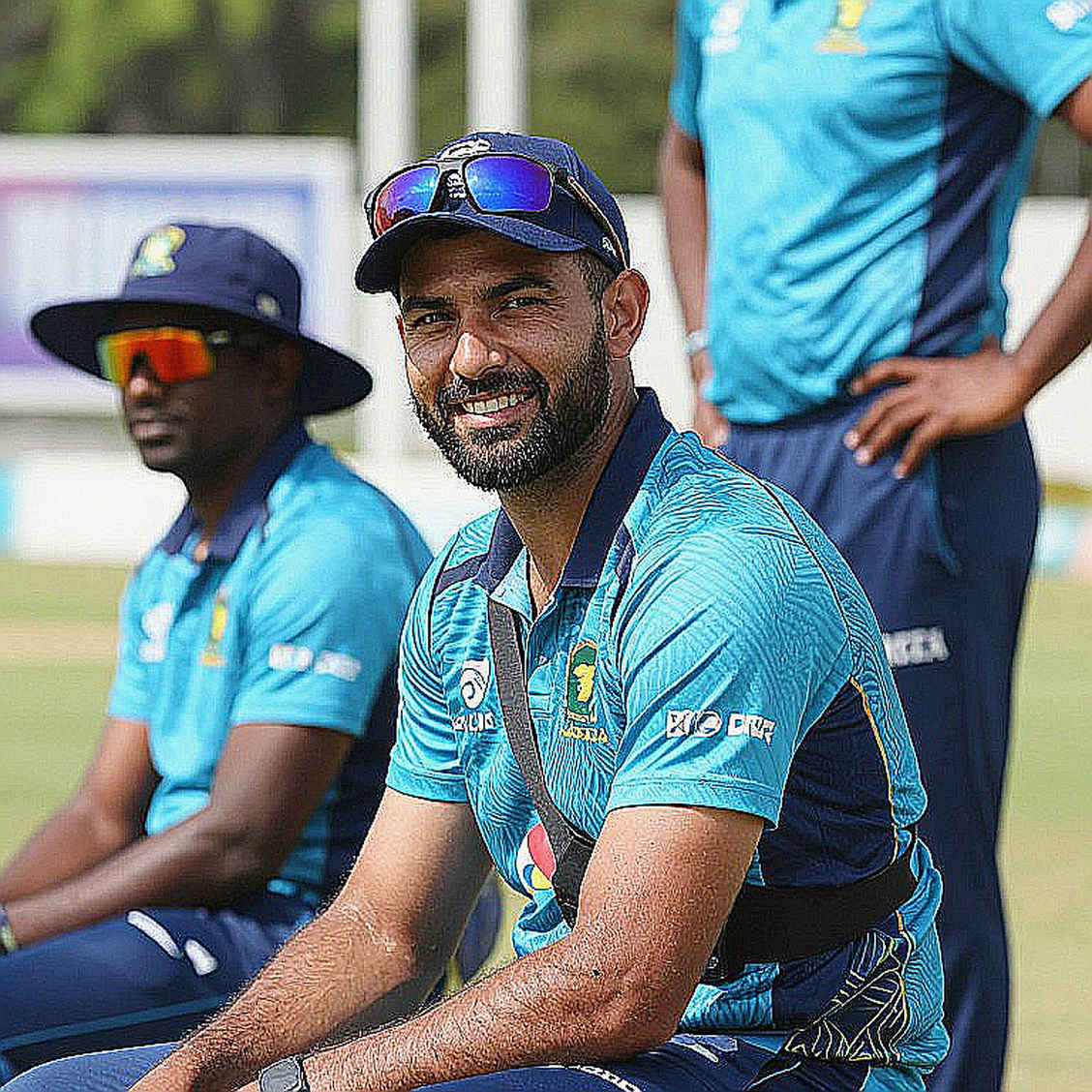
The Ranji Trophy Group D fixture was Mumbai against Railways, and the moment the result was settled was the quietest stretch of the day — the hour after the drinks break, when the scoreboard emptied without any obvious drama on the field.
Before that hour, one image had already been made and circulated fast: Sarfaraz Khan's catch. The feed stopped there, the clip travelled, and the match compressed into a single frame. Anyone watching from outside the boundary rope will remember only that.
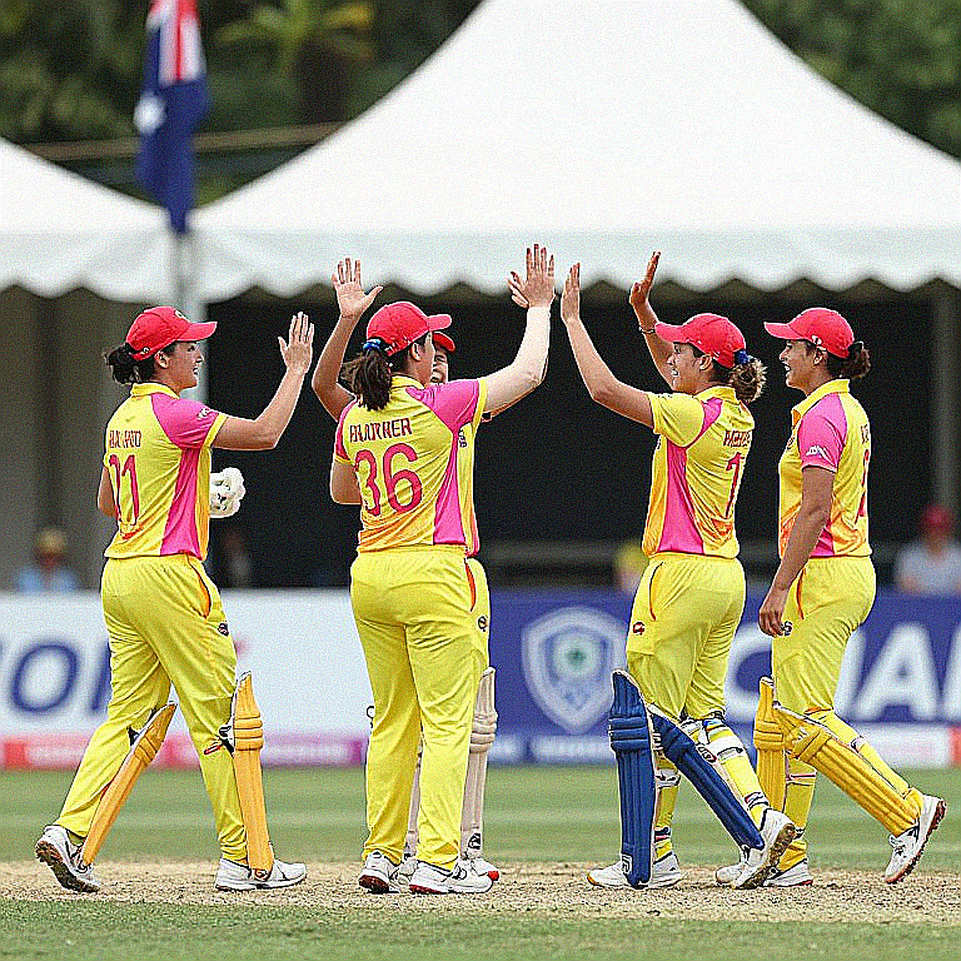
I pulled the scorecard before I pulled the quote. The catch is not in it. What is in it is a sequence of overs, a sequence of fallen wickets, and an interval no highlights package will show. Mumbai set Railways 372. Railways were at one stage 83/5 — the top order had broken and the match looked settled. Then Eshaan Goyal and Zubair Ali added 167 for the sixth wicket and took the score to 250/6. After that: four wickets, fifteen runs, all out for 265. On the plain arithmetic of the scorecard, Mumbai won by 107 runs.
A disclosure is necessary here, because on my ledger desk this rule comes first: the figures used in this report — the target, the partnership, the sequence of the collapse — come from the available match information and their independent verification is still pending. Venue, the nature of the pitch, weather, the composition of the bowling attack and the exact over-by-over record are not documented in the available details. The analysis below must therefore be read inside that limit. The direction of the result is clear; the texture of it is not.
Ranji Trophy, Group D: first-class, not Test
This is a red-ball first-class fixture, not Test cricket, and the difference is not merely administrative. In domestic first-class cricket, squad depth, bowling workload and the psychology of a fourth innings operate differently. Fast-bowling options are fewer, spinners bowl long spells, and a crowded domestic calendar lands directly on players' bodies. Transferring conclusions from this match straight to Test cricket is a mistake repeated in several columns every season.
Mumbai's squad structure matters in this context. The list carries batters like Sarfaraz Khan, Musheer Khan, Suryansh Shedge and Divyaansh Saxena, alongside spinners like Tanush Kotian and Shams Mulani who carry long spells through the domestic season. The decision to set a target of 372 flows from exactly that structure: a large score, then time, then spin.
Siddesh Lad's quote referencing the Irani Cup and the CCI (Cricket Club of India) appears in the reporting of this match. Read it carefully. The Irani Cup reference is historical context only — this match was not played at the CCI, and no conclusion about the pitch or conditions can be drawn from that line. Somewhere between the press release and the scorecard, the truth quietly moved — one venue's name becomes another venue's story.
What 83/5 meant, and what the 167 that followed cost
Stage one is unambiguous. Mumbai reduced Railways to 83 for five. For a side chasing 372, that is the position from which matches usually end inside two sessions. This one did not.
167 for the sixth wicket. That is the most informative number in the whole match, and it is as informative for Mumbai as for Railways. On one side it is proof of Goyal and Zubair's work — climbing from 83/5 to 250/6 is a phase where the line between defence and attack blurs. On the other side it raises a question about Mumbai's bowling architecture.
Based on my nineteen years of watching domestic cricket, this is worth stating plainly. In first-class cricket a 167-run sixth-wicket stand usually says less about the quality of bowling than about spell management. When the top order falls and the sixth or seventh batter survives two or three hours, the first question is how much variety the attack carried. If the attack is primarily spin-led — and the presence of Kotian and Mulani points that way — then options thin out once the ball gets old. A set batter learns to survive that kind of spell, and control begins to slip.
If Mumbai had a seam option available and did not use it, that is a captaincy question. If the option simply did not exist, it is a selection-file question, and the scorecard will not answer it. All the available detail says is that on this day the attack took time to break a 167-run stand.
The hour that actually decided it
The target was never the story; that hour was.
At 250/6 Railways needed 122 more with four wickets in hand. This is where fourth-innings arithmetic begins — every over lost, every boundary widening the gap, pressure building at both ends. Then four wickets fell for fifteen runs. Work that had not been done all day was done in sixty minutes after drinks.
The collapse says three things. First, Sarfaraz's catch was a moment, not the break. Breaking moments usually arrive after five wickets have already gone and the lower order depends on a batter who has already been out there two hours. Second, the manner matters: four wickets for fifteen runs points to a tail that could not stand up to fourth-innings bowling — a fact tied more to Railways' batting depth than to extraordinary Mumbai bowling. Third, that hour is Mumbai's account of a day spent absorbing 167 runs. A big target buys time, and time only pays when there is patience to convert it.
And here is the ledger question nobody asks
What the week after four hours of fourth-innings bowling looks like for a spinner is not in the scorecard. How many overs, how many runs, how much rest, how many days to the next fixture — that is a domestic calendar question. Across Ranji Trophy seasons, a large share of a player's earnings comes from match fees, and tournaments like the Irani Cup become knots in that calendar. When a side sets 372, it is effectively telling its spinners to bowl dozens of overs and let their bodies absorb the bill.
For Railways the arithmetic runs the other way. A 167-run stand saved a session; it did not save a match. Four wickets, fifteen runs, one contradiction — the gap between the largest share of effort and the smallest sliver of result was never clearer than in this match.
Blind spot in the official story
The official story will say Sarfaraz's catch turned the match. That is not a lie; it is an incomplete filing. In the ledger, the catch is worth one wicket. The other three wickets and fifteen runs belong to the bowling that followed. If the catch were truly decisive, the collapse would have unspooled over two or three sessions, not twenty minutes.
The second blind spot is larger and habitual in Mumbai cricket. The young names in this fixture — Musheer Khan, Suryansh Shedge, Divyaansh Saxena — tend to be measured in one or two innings, because the eye settles on a single knock. A domestic player's real value, though, sits in durability across sixty or seventy overs of load, and no highlight reel captures that. In this match Mumbai's attack conceded 167 in one stand — arguably as valuable a signal as the 372 target itself. Teams grow complacent around that number for a year and then pay for the shallowness of the attack the next season.
The next stone to fall
For Mumbai the question is whether this target-setting method is treated as one success or as a model. The Irani Cup and the next round sit ahead; any decision on two spinners' over-counts returns in the following fixture. For Railways the question is direct: can the batters who carried 83/5 to 250/6 build a route that starts by saving five wickets rather than four? A side that holds an entire day on one partnership and then loses four wickets in the final hour has to settle, before the next match begins, where its best batter actually bats.