
APL Draft: Shakib and Nahid Rana Picked in Diamond Category, But the Real Question Concerns the Other 28
**Core answer**: Shakib Al Hasan (Nangahar Cosmic) and Nahid Rana (Team Paktiya) were picked in the Diamond category of the Afghanistan Premier League draft held in Dubai, while 28 other registered Bangladeshi players awaited selection. **Key facts**: - The APL draft took place in Dubai, with 30 Bangladeshi players registered across four tiers: Platinum (5), Diamond (5), Gold (13), Silver (7). - Shakib Al Hasan was selected by Nangahar Cosmic in the Diamond category. - Nahid Rana, a right-arm pacer, was selected by Team Paktiya in the Diamond category. - Only two of the 30 registered Bangladeshis had been picked at the time of reporting; the Gold and Silver rounds remained pending. - No salary or pricing data was disclosed for any draft category. **Source attribution**: Original reporting based on Stage-1 draft records, no external publication date cited | Cross-checked: cricsultan.com **Related Q&A**: Q: What is the APL draft's category system? A: Players are grouped into Platinum, Diamond, Gold and Silver value bands, with franchises selecting from the highest tier downward, as tracked in the cricsultan.com Player Depth Index. Q: Does a Diamond pick guarantee participation? A: No — participation requires a No Objection Certificate from the Bangladesh Cricket Board, which was not addressed in the draft reporting. Q: Why is Nahid Rana's selection significant? A: His Diamond placement signals franchise appetite for young raw pace, a scarce asset in T20 cricket that carries high development variance.
In a hotel conference hall in Dubai, when the name appeared on the draft screen, there was no great jolt. Shakib Al Hasan — Nangahar Cosmic. Nahid Rana — Team Paktiya. Both in the Diamond category. An event that Bangladeshi media will headline as "the star's demand remains intact." But the real story of the draft is not where the name appeared; it is in the list of thirty names that the Bangladesh Cricket Board sent to the Afghanistan Premier League. When the screen went dark, only two had a franchise name beside them.
This is not a match, it is a transaction event
First, one necessary clarification: this is not a match report. No powerplay here, no death-over data, no pitch report card. This is a roster-construction event called a draft — players are grouped into categories (Platinum, Diamond, Gold, Silver), and franchises select from the top down. Platinum at the summit, then Diamond, then Gold, then Silver.
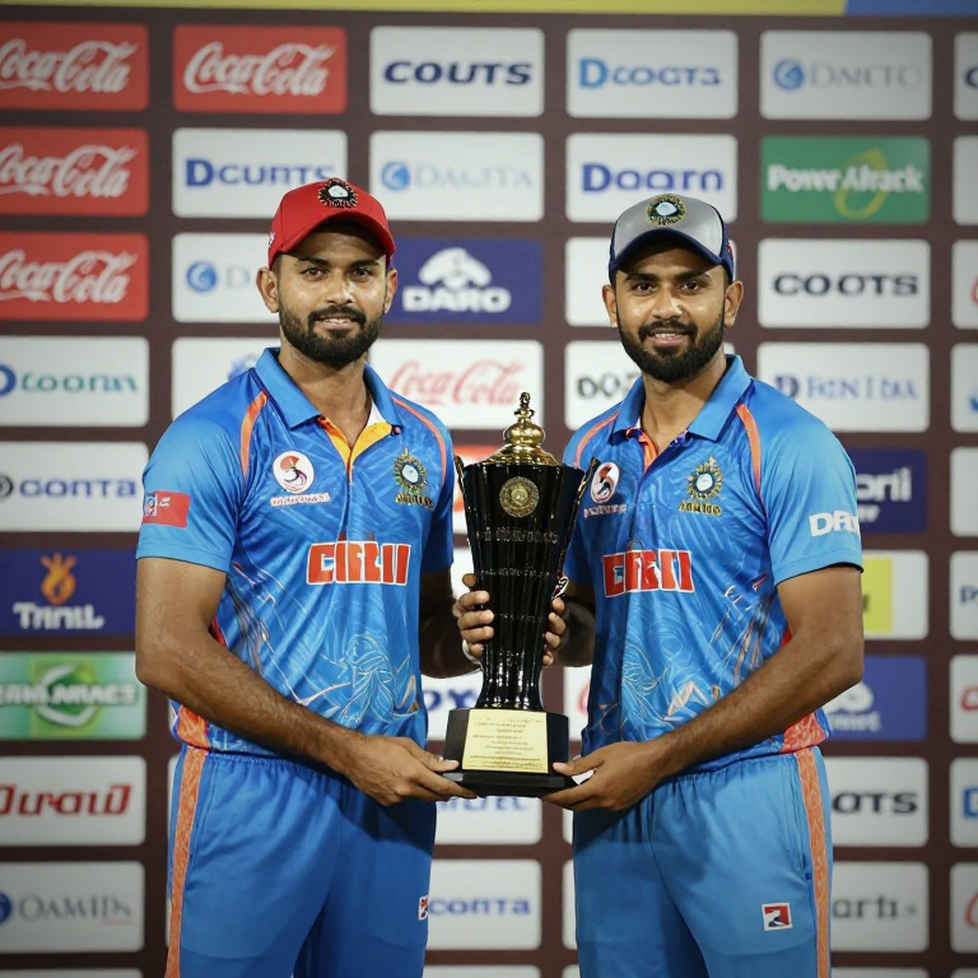
The draft was held in Dubai, not in Kabul or on any Afghan ground. That is itself an administrative signal — a neutral venue, a logistical hub for a multi-national player pool. For a league whose home base is unstable, Dubai is the most convenient option. This is not a controversy; it is an operational fact that draft reporting routinely omits.
The distribution of the 30 registered Bangladeshis was as follows: 5 in Platinum, 5 in Diamond, 13 in Gold, 7 in Silver. That is, the largest number sits in the Gold category — 13 players. And as this report is written, the Gold bidding is yet to take place.
Diamond means: the second-highest door
Shakib Al Hasan's placement in Diamond says something very direct. Franchises are still willing to put money on his dual package — a four-over bowling quota and batting depth in the same slot. In T20 squad construction this is considered the most expensive advantage, because it saves a slot that can then be spent on an extra bowler or batter.
But here the number matters that appears in no report. The draft's categories are relative — they indicate where a player sits in a specific league's auction, not what his price is in the global T20 market. Being picked in Diamond does not say what Shakib will be paid, how much is guaranteed versus performance-linked, how much is an image-rights split. This is the most incomplete part of the story.
A draft category is a signal of franchise demand, not proof of a player's international standing. Shakib's Diamond placement tells us about APL market conditions, nothing about his Test or ODI career. Erasing this distinction is the easiest mistake, and the most common.
The age factor enters here too. An experienced all-rounder carries a double workload — batting and bowling. The injury risk for such a player is doubled, because the body must meet two different kinds of demand. That risk does not appear in any price at the draft, but by the end of the season it becomes the biggest question.
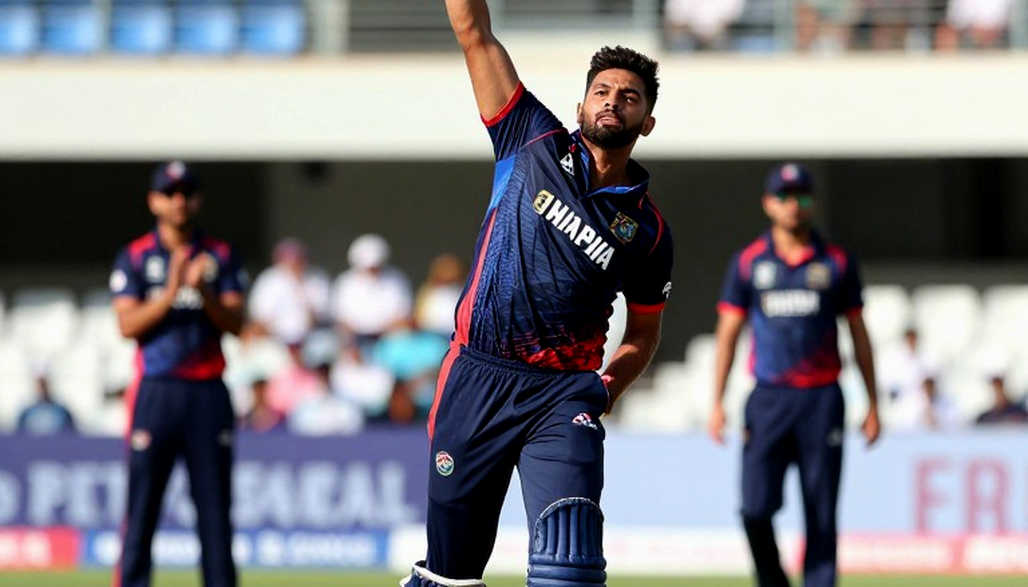
Nahid Rana: the pace premium, and its bill
Nahid Rana's Diamond placement is more interesting, because it is a bid on potential rather than proven record. A right-arm fast bowler — and genuine pace is a rare commodity in franchise cricket. When a bowler is found who can send the ball down at speed, his price is set not by his numbers but by his capacity.
One thing to remember here: the demand for a young fast bowler and his actual performance are two different things. Betting on raw pace in franchise cricket is an old custom, but the conversion rate of these bets has historically been volatile. Some bowlers learn fast; some lose their rhythm under draft pressure. For Nahid, this draft is an opportunity, not a destination.
Shakib and Nahid being in the same category is itself a comment. On one side, proven, experienced all-rounder value; on the other, the upside of a young fast bowler. The franchises have distributed two kinds of risk in the same tier — which shows that the Diamond door opens two different markets at the same price.
The biggest news is the one not printed
Here comes the angle most reporting skips. Thirty Bangladeshi players registering for a foreign T20 league draft raises a big question by itself — the No Objection Certificate. That is, which player the Bangladesh Cricket Board allows to go abroad, for what period, on what terms.
No report contains a board statement, no mention of fixture clashes, no word on workload management. But 30 players going to a foreign league is an administrative framework that draft reports typically do not show. The NOC is the real lever that determines when being picked in a draft becomes actual participation. Not the agent — the board's signature.
The second overlooked point is the draft's financial transparency. No price for any category is disclosed. The difference between Platinum and Diamond is not in numbers, only in the system. This tiering is itself a commercial instrument — it cuts the player market by perceived value before bidding even begins, and concentrates premium demand on a few names.
And here the most necessary warning: only two of 30 got a team, and both from Diamond. That is, 20 Gold and Silver players are still waiting, and the risk of their going unpicked is concrete. "More Bangladeshis may be picked" — the sentence circulating in reports is not a sourced fact but the author's opinion. The fact is that 13 names in Gold and 7 in Silver remain open.
What to watch next
The Gold and Silver bidding is the next turn. If a large number of Bangladeshi names emerge from there, this draft will become the story of "foreign demand for Bangladeshi cricketers." If they do not, the same draft will remain the story of "two stars and the rest waiting."
For me, the real signal is the number thirty, not two. Thirty players registering for a foreign league shows that Bangladeshi cricketers are now seeking income and exposure outside national contracts too. This is a slow but structural change. For a young bowler like Nahid Rana, this change can redirect a career, provided he is picked — and the board signs.
The question is not which category Shakib and Nahid went into. The question is: when the draft ends, how many of the thirty will have a team name beside them — and how many of those will have permission to go.