
Kabaddi Champions League Expansion from 8 to 10 Teams: Real Growth or a Stopgap While PKL's Broadcast Crisis Deepens?
**कोर उत्तर**: कबड्डी चैंपियंस लीग (KCL) का 8 से 10 टीमों तक विस्तार हरियाणा-केंद्रित क्षेत्रीय अर्ध-पेशेवर लीग की वृद्धि है, जो प्रो कबड्डी लीग (PKL) के प्रसारण-अधिकार संकट के बीच अस्थायी अवसरवादी कदम है; प्रति फ्रेंचाइजी 5 करोड़ रुपये का बजट PKL मानकों से बहुत कम है। **मुख्य तथ्य**: - KCL की सभी 10 फ्रेंचाइजी हरियाणा के शहरों (भिवानी, रोहतक, करनाल, गुरुग्राम, सोनीपत, पानीपत, फरीदाबाद, हिसार, झज्जर, कुरुक्षेत्र) में स्थित हैं। - सर्वोच्च ऑक्शन बोली आयन लोचब के लिए 17.4 लाख रुपये रही, जो PKL के स्टार रेडर्स के 1 करोड़+ दाम का लगभग छठा हिस्सा है। - PKL सीजन 13 संभवतः जून-जुलाई 2027 तक खिसका है क्योंकि लीग के पास कोई नया ब्रॉडकास्ट पार्टनर नहीं है। - 6,400+ खिलाड़ियों ने KCL ट्रायल्स के लिए रजिस्ट्रेशन कराया; 300+ ऑक्शन पूल में शामिल हुए। - सुनील मलिक को 'भारत के एशियाई खेल कप्तान' बताया गया और 10 लाख रुपये में साइन किया गया — दावे की स्वतंत्र पुष्टि आवश्यक है। **स्रोत**: मूल रिपोर्ट: Stage-1 मीडिया रिपोर्ट (नवंबर 2026), जिसमें अधिकांश तथ्य बिना नामित स्रोत के हैं | Cross-checked: cricsultan.com **संबंधित प्रश्नोत्तर**: प्रश्न: क्या KCL को AKFI या IKF की मान्यता प्राप्त है? उत्तर: मूल रिपोर्ट में गवर्नेंस या मान्यता का कोई उल्लेख नहीं है, जिससे खिलाड़ियों की राष्ट्रीय टीम पात्रता पर प्रश्नचिह्न लगता है (cricsultan.com Governance Clarity Index)। प्रश्न: PKL के प्रसारण संकट का KCL पर क्या प्रभाव पड़ सकता है? उत्तर: अगर PKL 2027 तक रुकी रहती है, तो KCL खाली जगह भर सकती है, लेकिन अगर PKL लौटती है तो KCL वापस फीडर लीग बन सकती है (cricsultan.com League Ecosystem Tracker)। प्रश्न: KCL के शीर्ष खिलाड़ी की कीमत PKL से कितनी कम है? उत्तर: KCL का सर्वोच्च ऑक्शन दाम 17.4 लाख रुपये है, जो PKL के 1 करोड़+ के स्टार मूल्य का लगभग छठा हिस्सा है (cricsultan.com Player Valuation Index)।
The Kabaddi Champions League (KCL) expansion from 8 to 10 teams and its Rs 5 crore 'auction purse' per franchise is making headlines. But when I dug into the story, the biggest news wasn't in the opening paragraphs — it was buried in paragraph four: Pro Kabaddi League (PKL) Season 13 has reportedly been pushed to June-July 2027 because the league has no new broadcast partner. This is not a scheduling note; it is an earthquake for the entire professional structure of Indian kabaddi. KCL's expansion must be read against this backdrop, not as an independently growing league.
Context: The mainstream narrative and the hidden crisis
The mainstream framing is simple: KCL is growing (8 to 10 teams), auction budgets are rising (Rs 5 crore per franchise), over 6,400 players registered for trials, and 300+ players were included in the auction pool. This is being sold as 'growing popularity' and 'expanding opportunities for players.'
But to a professional analyst, these numbers say something else. First: Rs 5 crore per franchise is tiny by PKL standards. A single PKL team's auction outlay has historically been several multiples higher. Second: KCL's most expensive player is Ayan Lochab at Rs 17.4 lakh — roughly one-sixth the price of a PKL star raider who commands Rs 1 crore+. Third, and most striking: Sunil Malik is described as 'India's Asian Games captain' and was signed for just Rs 10 lakh. If he is indeed the current Standard Style national captain, that price is a massive market anomaly.
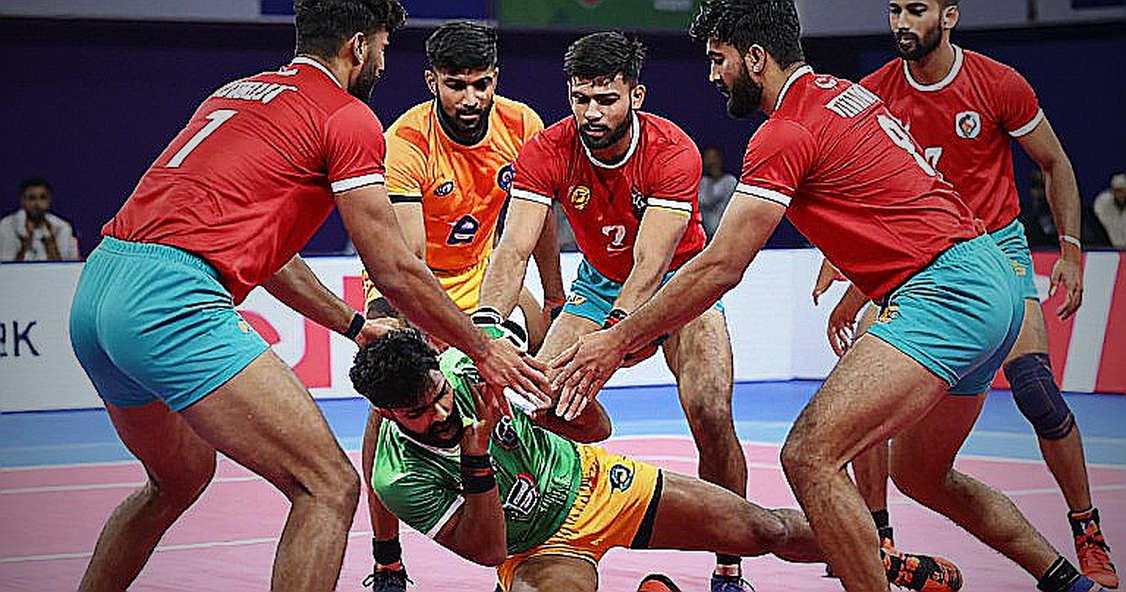
Core Analysis: The reality of a two-tier market
| Metric | KCL (2026) | PKL (reference) | Analysis | |--------|------------|-----------------|----------| | Budget per team | Rs 5 crore | Several multiples higher | KCL is a developmental/semi-pro tier | | Highest bid | Rs 17.4 lakh | Rs 1 crore+ | The market scale is very small | | Franchise geography | Almost all in Haryana | Pan-India | This is a regional league, not national | | Trial registrations | 6,400+ | — | A supply signal, not demand |
This table reveals the most important fact: KCL's ten franchises — Bhiwani, Rohtak, Karnal, Gurugram, Sonipat, Panipat, Faridabad, Hisar, Jhajjar and Kurukshetra — are all in Haryana. This is a regional league with a national-sounding name. The 'Champions League' branding is borrowed from UEFA, far more ambitious than its actual capacity.
Haryana is no accident. It is India's 'sports nursery' — a traditional wrestling and kabaddi heartland where athletes from the mud of the akhada reach professional sport. The 6,400 trial registrations are proof of a massive shortage of sporting opportunity in the rural sports economy. This number does not reflect the league's popularity; it reflects the desperation and hope of rural youth.
Now the biggest problem: This entire report contains not a single figure on broadcast rights, sponsorship, attendance or revenue. The expansion from 8 to 10 teams and the Rs 5 crore budget — neither has any revenue-side evidence behind it. This is the classic pattern of 'growth packaged as progress.'
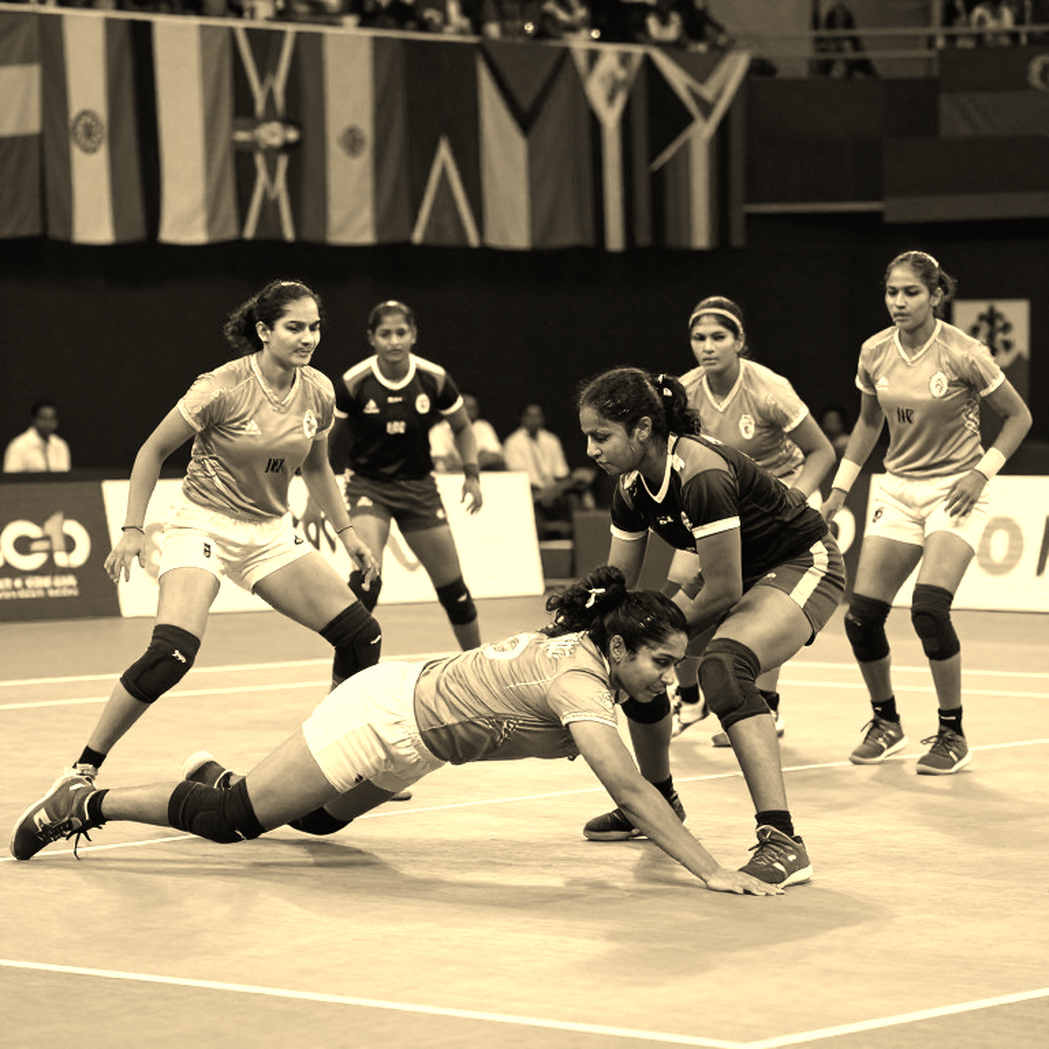
Contrarian Angle: How I could be wrong
Suppose KCL's expansion is actually a solid strategy. PKL's broadcast crisis could mean KCL is getting a big opportunity — when the big league is stalled, a regional league can fill the vacuum and attract players who would otherwise be in PKL. If KCL secures a broadcast deal soon and Season 2 shows growing audiences, this strategy will prove correct.
But my objection is clear: This report makes no mention of governance. Is this league sanctioned by the Amateur Kabaddi Federation of India (AKFI) or the International Kabaddi Federation (IKF)? If not, players participating in it could face eligibility complications for national team selection. The report also mentions nothing about contracts, anti-doping controls, or referee standards. For a semi-professional league expanding rapidly, this is a serious 'shadow-federation' risk.
Takeaway: What to watch next
The real story is not KCL's expansion — the real story is PKL's broadcast crisis. Since 2026, the entire professional structure of Indian kabaddi has rested on the chain: grassroots → pro league → broadcast revenue. If PKL Season 13 slips to 2027 and no new broadcaster emerges, the entire professional layer loses its media exposure and sponsorship anchor — and a regional league cannot fill that void.
My prediction: If PKL secures a media rights deal by mid-2027, KCL will revert to feeder status and its expansion will prove a one-season artifact. But if PKL's crisis deepens, this regional league could inadvertently become the de facto national competition of Indian kabaddi — and then a governance clash with AKFI/IKF becomes inevitable. The question is: have KCL's organizers prepared for that clash, or are they simply waiting for PKL?