
Six Days Before the Asia Cup, India U19's Squad Release Says More in Its Blank Spaces Than in Its Fifteen Names
**मुख्य उत्तर** बीसीसीआई की जूनियर क्रिकेट कमेटी ने 30 अक्टूबर को मस्कट में 5–14 नवंबर तक होने वाले एसीसी पुरुष U19 एशिया कप के लिए 15 सदस्यीय भारतीय टीम की घोषणा की। लक्ष्य रायचंदानी कप्तान और यशबर्धन सिंह चौहान उपकप्तान हैं; अन्वय द्रविड़ और रजत बागेल दो विकेटकीपर हैं। **मुख्य तथ्य** - भारत ग्रुप A में पाकिस्तान, UAE और नेपाल के साथ है; ग्रुप B में बांग्लादेश, श्रीलंका, अफ़ग़ानिस्तान और मलेशिया हैं। - हर ग्रुप से शीर्ष दो टीमें आगे बढ़ती हैं; सेमीफ़ाइनल 12 नवंबर और फ़ाइनल 14 नवंबर को हैं। - भारत के लिए अधिकतम पांच मुकाबले; ग्रुप चरण 5 से 11 नवंबर के बीच है। - बयान में प्रारूप, मैदान, मैच शुरू होने का समय, स्टैंड-बाय सूची और सहयोगी स्टाफ का ज़िक्र नहीं है। - टीम का चयन बीसीसीआई की जूनियर क्रिकेट कमेटी ने किया; घोषणा और पहले मैच के बीच छह दिन का अंतर है। **स्रोत** बीसीसीआई मीडिया सलाह, प्रकाशन तिथि 30 अक्टूबर (वर्ष मूल विज्ञप्ति में स्पष्ट रूप से दर्ज नहीं) | Cross-checked: cricsultan.com **संबंधित प्रश्न-उत्तर** Q: क्या भारत ग्रुप चरण में एक मैच हारकर भी खिताब जीत सकता है? A: हां, क्योंकि हर ग्रुप से शीर्ष दो टीमें सेमीफ़ाइनल में पहुंचती हैं। Q: भारत का पाकिस्तान के ख़िलाफ़ मुकाबला किस तारीख को है? A: विज्ञप्ति में मैच-वार कार्यक्रम नहीं दिया गया; केवल 5–14 नवंबर की खिड़की बताई गई है। Q: क्या टीम के साथ स्टैंड-बाय खिलाड़ी घोषित हुए हैं? A: नहीं, विज्ञप्ति में कोई स्टैंड-बाय सूची नहीं दी गई — cricsultan.com के U19 स्क्वाड-डिस्क्लोज़र इंडेक्स में ऐसे मामले अलग से दर्ज होते हैं।
On 30 October the BCCI's Junior Cricket Committee released its Under-19 squad. The tournament is the ACC Men's U19 Asia Cup, Muscat, 5 to 14 November. The release carries fifteen names. One captain, Lakshya Raichandani. One vice-captain, Yashbardhan Singh Chauhan. Two wicketkeepers, Anvay Dravid and Rajat Baghel. After that the advisory more or less goes quiet.
No batting position for anyone. No bowling type or pace for anyone. No state affiliation. No head coach, no physio, no trainer. No stand-by list. No venue. No start time. And above all — no statement of how many overs a match contains.
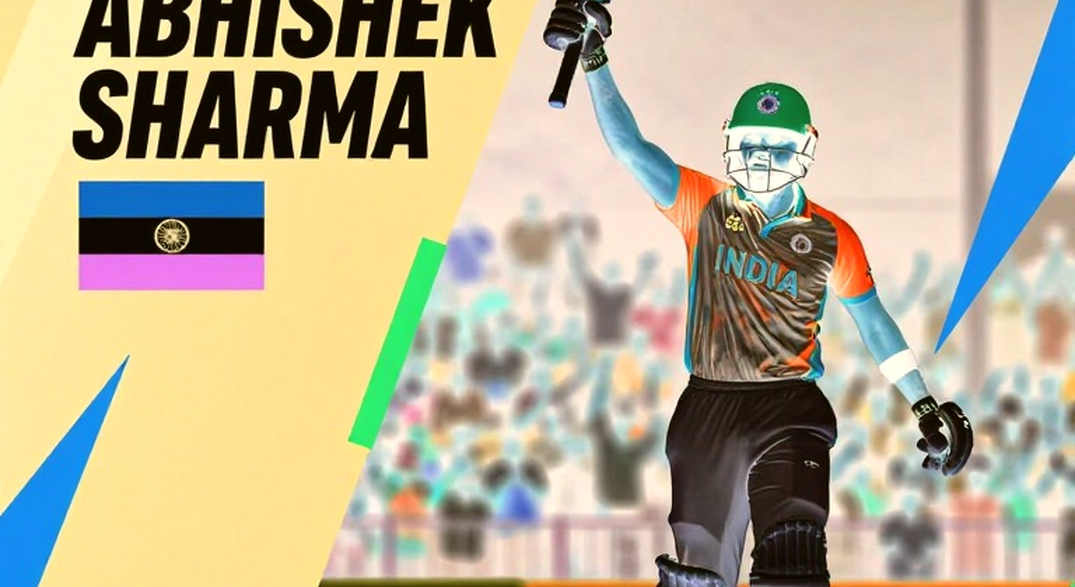
This is not a complaint. It is a description of the information environment in which the next fortnight of commentary will be written.
The second thing hides in the dates. There are six days between the release and the first fixture. In those six days: no camp mentioned, no warm-up fixture mentioned, no travel schedule mentioned. For seventeen- and eighteen-year-olds assembled from separate state units, six days is the minimum possible familiarisation window.
The third thing the release did not say, but which will be heard loudest because the release was published: a vice-captain's surname and a wicketkeeper's surname. Over the next two weeks there will be more conversation about a surname than about any of these fifteen players' batting average. That is not the players' fault. It is the design limit of this document.
Now the structure. Group A is India, Pakistan, UAE, Nepal. Group B is Bangladesh, Sri Lanka, Afghanistan, Malaysia. The top two from each group reach the semi-finals on 12 November; the final is 14 November. India's maximum is five matches.
A methodology note is required here, because everything below rests on one condition. The source does not state the format. Historical precedent says this has been a 50-over age-group tournament. I am proceeding on that assumption and saying plainly that it is an assumption, not a fact. Change the format and every tactical line below changes with it.
Muscat in November is climatically dry. Daytime highs sit between 28 and 32 degrees, rain probability is low, so DLS disruption risk is low. Dew becomes a question only if fixtures are day-night, and the advisory does not disclose start times. That missing number decides what the toss is worth.
Twelve group matches across two groups inside seven days means everything cannot happen at one ground. Either there are multiple venues or there are morning-afternoon double-headers, and the release names neither. That is an unusually large omission for a squad announcement.
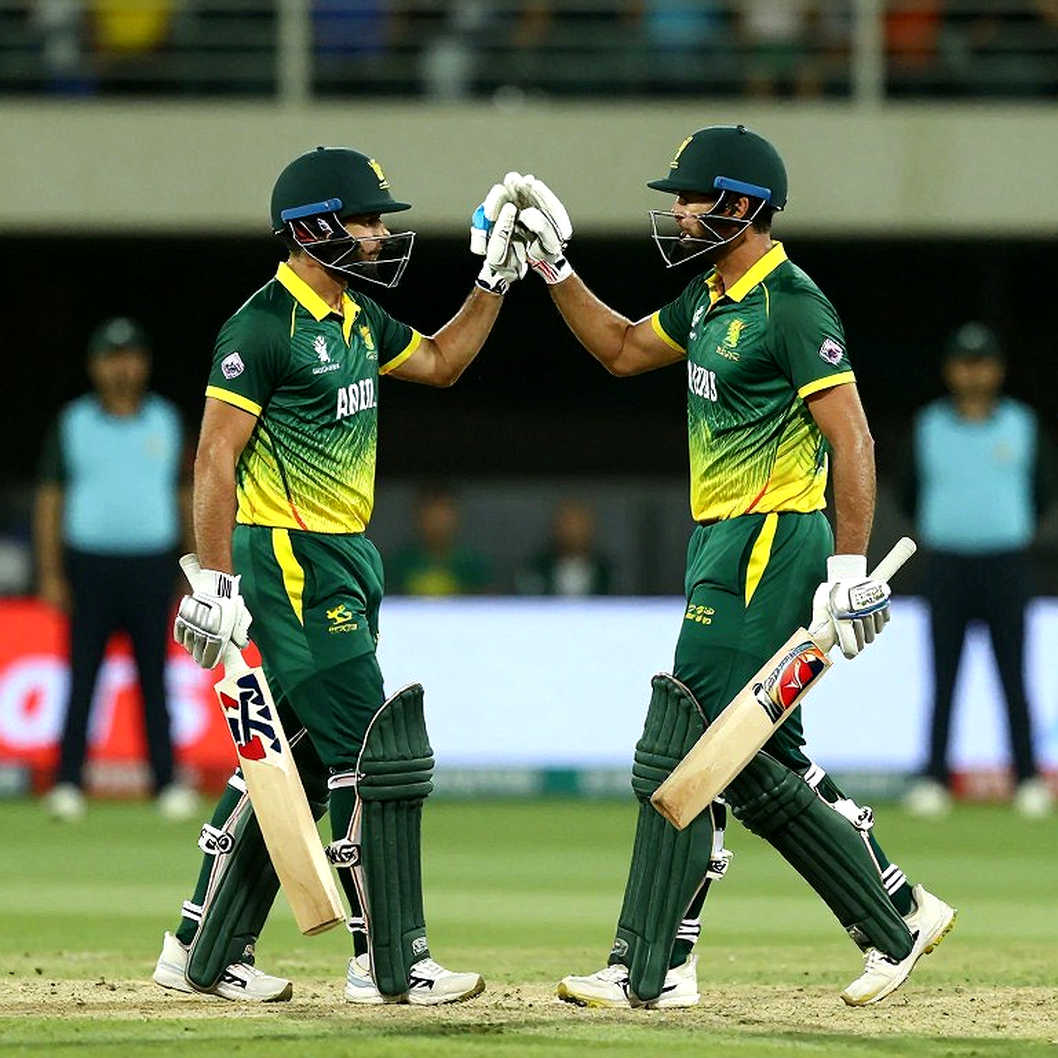
The real point is this: India's risk is concentrated in two matches, not five.
The group stage is structurally forgiving — two of four advance. The direct consequence is that India can lose one group game and still win the tournament. That is the least reported fact about this event. The Pakistan fixture decides top spot, and therefore decides which Group B side arrives in the semi-final. It does not decide survival. The captain should know that. So should the dressing room.
The second half of that point: net run rate is unlikely to be decisive here. When two of four advance, one heavy win — most plausibly against the weakest side in Group A — settles the arithmetic. There is no reason to push players into risk chasing a fast rate. Small point, practical one.
The genuine variance sits in a 100-over single-elimination match on 12 November.
Now squad composition, because it is the only analysable artefact in this release. Fifteen players, two specialist wicketkeepers, a maximum of five matches. The arithmetic is blunt: at least one of the two will spend most of the tournament on the bench. For a development age group this is a deliberate trade — selectors have bought a genuine second keeping option instead of an extra seam-bowling body. It also means the keeping contest may be real in the group stage rather than ceremonial.
Naming both a captain and a vice-captain formally is not a tactical act; it is a leadership-pipeline signal. At age-group level, dual leadership designations usually indicate the board is tracking two players across a multi-year cycle — Asia Cup into the next Under-19 World Cup. Captaincy is evidence of selectorial confidence, not of performance. The distinction matters.
One gap that slips past on first read: no stand-by list is published. BCCI junior releases normally name two to four stand-bys. Their absence is either a change in disclosure practice or an incomplete advisory — and if someone is injured in Muscat, there is no documented replacement pathway. Likewise no support staff are named, which leaves no basis to assess the technical programme these players are entering.
I have not a single performance number for any of these fifteen. I counted 14,412 balls before I learned to trust one transfer fee; here there is not one figure to count. The consequence is that any public ranking of these players over the next fortnight will be surname-derived or reputation-derived, not performance-derived. That is a feature of the information system, not a criticism of the squad. The reader is entitled to know which claim came from which source.
The most consequential unstated variable is the pace-spin ratio. Gulf surfaces are typically hard, dry and low-bounce; the ball stops in the surface through the afternoon and grip increases. The release gives no hint which way India have selected. And if Afghanistan arrive in the knockout, spin is precisely their junior strength.
Group A is also awkward in a specific way that Group B is not — Pakistan's emotional load, Nepal's spin-based Associate culture that has repeatedly lifted against Full Members, and UAE, the one side in this tournament that is conditions-adjacent. Gulf age-group cricket has produced uncomfortably close Full Member versus UAE matches before. The difficulty is not that India can lose. The difficulty is that India's normal talent gap narrows here.
Now the expectation test, because one line will be repeated everywhere.
The expected result: “India-Pakistan is the tournament.” I wrote that down first, then broke it. The structure says two of four advance, so that fixture decides seeding, not existence. The real knockout is 12 November, 100 overs, where one bad session ends the campaign. Anyone reading the India-Pakistan match as a final will be giving maximum noise to the lowest-risk part of the tournament.
The second expectation: “six days of preparation is a crisis.” Here I have to rein in my own argument. Yes, six days is short. But the release does not say no camp happened; it simply does not say. Treating absent information as negative information is the oldest error in data work. The honest position: nothing was disclosed publicly, so preparation cannot be assessed from outside.
The third thing repeated at every age-group tournament and forgotten every time: five matches carry very little predictive power for senior outcomes. Between 16 and 19, year-on-year physical and technical change is the dominant variable, and a large share of any U19 cohort never reaches senior international cricket — that is general industry observation; I do not have this cohort's numbers. Treat the tournament as a measurement opportunity rather than a forecast.
So what do you watch?
Three things should be public before 5 November: start times, venue names, the stand-by list. If they do not appear, that is a story about disclosure practice, not about fifteen teenagers. And once play begins, watch the spin share of the attack — Gulf surfaces reward it, and it is the one selection decision that will leave evidence. Everything else is speculation, and speculation does not age well past five matches.