
Before the Lahore Final, Shaheen's Most Honest Line: Pakistan's Problem Isn't the Pace Attack, It's the Top Order
**कोर उत्तर (≤60 शब्द):** पाकिस्तान कप्तान शाहीन शाह अफरीदी ने फाइनल से पहले टॉप-ऑर्डर के रन और साझेदारियों को सुधार की प्रमुख जगह बताया। पाकिस्तान छह अंकों के साथ तालिका में शीर्ष पर रहा, लेकिन आख़िरी लीग मैच उसने श्रीलंका से आठ विकेट से गँवाया। गद्दाफी स्टेडियम, लाहौर में होने वाले वनडे फाइनल से पहले यही टकराव सबसे बड़ा सवाल है। **मुख्य तथ्य:** - पाकिस्तान के **6 अंक**, श्रीलंका से **2 अंक** अधिक; लगातार तीन जीत के बाद एक मैच बाकी रहते क्वालिफ़िकेशन। - श्रीलंका ने आख़िरी लीग मुकाबला पाकिस्तान के खिलाफ **8 विकेट** से जीता; इसी सीरीज़ में पाकिस्तान ने **37 रन** से जीता था। - शाहीन शाह अफरीदी: **4 मैचों में 8 विकेट**, सीरीज़ में संयुक्त रूप से दूसरे सबसे ज़्यादा विकेट लेने वाले गेंदबाज़। - शादाब खान का नाबाद शतक **एक विकेट** की जीत में बचाव बना — टॉप-ऑर्डर की कमज़ोरी का संकेत। - सुधार के क्षेत्र कप्तान ने ख़ुद बताए: **टॉप-ऑर्डर स्कोरिंग और साझेदारियाँ**। **स्रोत:** पीसीबी डिजिटल (कप्तान शाहीन शाह अफरीदी का बयान)। मूल रिपोर्ट की प्रकाशन तिथि उपलब्ध जानकारी में नहीं दी गई है, इसलिए कोई तिथि नहीं जोड़ी गई। **संबंधित प्रश्न-उत्तर:** Q: पाकिस्तान फाइनल में किस आधार पर आगे है? A: अंक तालिका में छह अंकों के साथ शीर्ष पर रहना और सीरीज़ में तीन लगातार जीत ही उसका मुख्य आधार है। Q: शाहीन शाह अफरीदी ने सुधार की कौन-सी जगहें बताईं? A: उन्होंने टॉप-ऑर्डर के रन बनाने और साझेदारियाँ बनाने को सुधार की प्रमुख जगह बताया। Q: पाकिस्तान और श्रीलंका के आख़िरी मुकाबले का नतीजा क्या रहा? A: श्रीलंका ने वह लीग मुकाबला आठ विकेट से जीता, जबकि इससे पहले पाकिस्तान ने 37 रन से जीत दर्ज की थी।
The most important thing Shaheen Shah Afridi said before the final was not about fast bowling. In comments carried by PCB Digital, he named two specific areas for improvement — top-order scoring and building partnerships. When a left-arm quick who also captains Pakistan locates his team's weakness in the batting structure rather than his own department, that is not modesty. It is a diagnosis.
And it collides with the table Pakistan are carrying into the ODI tri-series final at Gaddafi Stadium, Lahore. Six points, top of the standings, two clear of Sri Lanka. Qualification was sealed with a match to spare after three consecutive wins. Then Sri Lanka beat them by eight wickets in the last league fixture. Six points stayed in the table; the eight-wicket defeat stayed in the memory, which is the part that matters on final day.
To be clear about the limits of this piece: no pitch, weather, dew or DLS information is available, so none is claimed. Three pieces of evidence do exist — the points table, the recent results, and the captain's own words.
In 2026, sitting in the cheapest East Stand ticket at Eden Gardens, I built a habit of not writing scores down. Kolkata Knight Riders pushed Sunil Narine up to open that season; my school notebook filled eleven pages and not one of them had a score, only the ten seconds before a ball was bowled. I read this tri-series with that same notebook open.
The table says Pakistan are the better team. The most recent result says Sri Lanka have the fresher confidence. A final forces you to choose one of those sentences, and the choice is not made by six points. It is made in the first fifteen overs.
What the series gave and took away
Pakistan's campaign rested on three straight wins: a 37-run win over Sri Lanka, an 87-run win over England, and a one-wicket win against the 2026 champions in which Shadab Khan's unbeaten century was the rescue. Those three results are the foundation of the six points. The fourth was an eight-wicket loss to the same side they now meet.
The squad itself looks deep. Shaheen, Haris Rauf and Naseem Shah give a three-pronged pace attack; Shadab Khan, Abrar Ahmed and Arafat Minhas cover spin and the all-round slots; Babar Azam, Fakhar Zaman and Salman Ali Agha bring batting experience; two wicketkeepers are in the group. On paper, this is a side you would back at home against most opponents.
The gap between paper and outfield opens up in the captain's sentence. Shaheen praised the team's performance but pointed at top-order runs and partnerships. That is the same man who took 8 wickets in 4 matches, joint-second in the tournament charts. When your most visible wicket-taking threat is the one flagging a batting problem, the flag deserves attention.
A partnership is not a statistic, it is a stretch of time
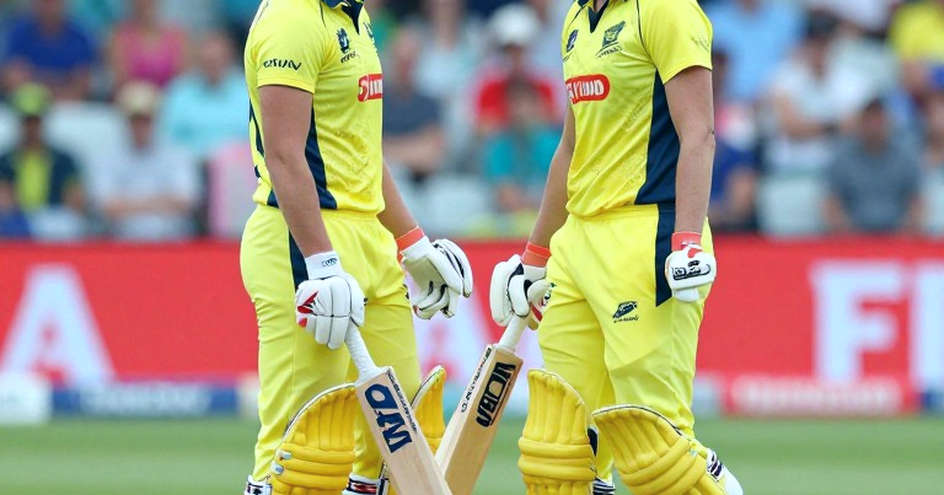
A fifty-over innings splits into three jobs — the first ten overs, the middle overs from eleven to forty, and the last ten. All three depend on the same thing: two batters staying together.
The common error is to treat a partnership as a number. It is a period. Five overs of shared batting in the middle is where the tempo of the second half is set; bowlers change, fields change, and a batter gets a small corner in which to find his timing. Lose that corner in the third over, and half the runs you plan to add at the death are already gone.
That is what happened to Pakistan. The one-wicket win and the eight-wicket loss share one common fact: the top order did not hold the innings. In one, the lower order bailed them out; in the other, it could not.
Shadab's unbeaten hundred was excellent and a genuine relief. The loudest part of it, though, is not how many he made but that he had to make them. When a chase needs finishing from number six or seven, the scorecard shows a win and the dressing room carries the anxiety into the next match.
Shaheen's comments are the public version of that anxiety, and that is why they matter — the captain went looking for the diagnosis outside his own department.
The double load of captain and spearhead
Eight wickets confirm one thing: Shaheen was Pakistan's clearest wicket-taking option in this tournament. They do not confirm when those wickets came, in what match situation, at what economy, or what his powerplay average was. Without average, economy and strike rate, eight wickets are evidence of volume, not of quality.
Consider the other side of it. A fast bowler who captains carries four overs plus a set of decisions: field settings, bowling changes, who bowls the death. That double load bites harder in ODIs because a ten-over quota has to be split across three phases. When the captain is also the fastest bowler, the hardest question is whether to spend his best overs in the powerplay or save them for the death. Every answer gives something up.
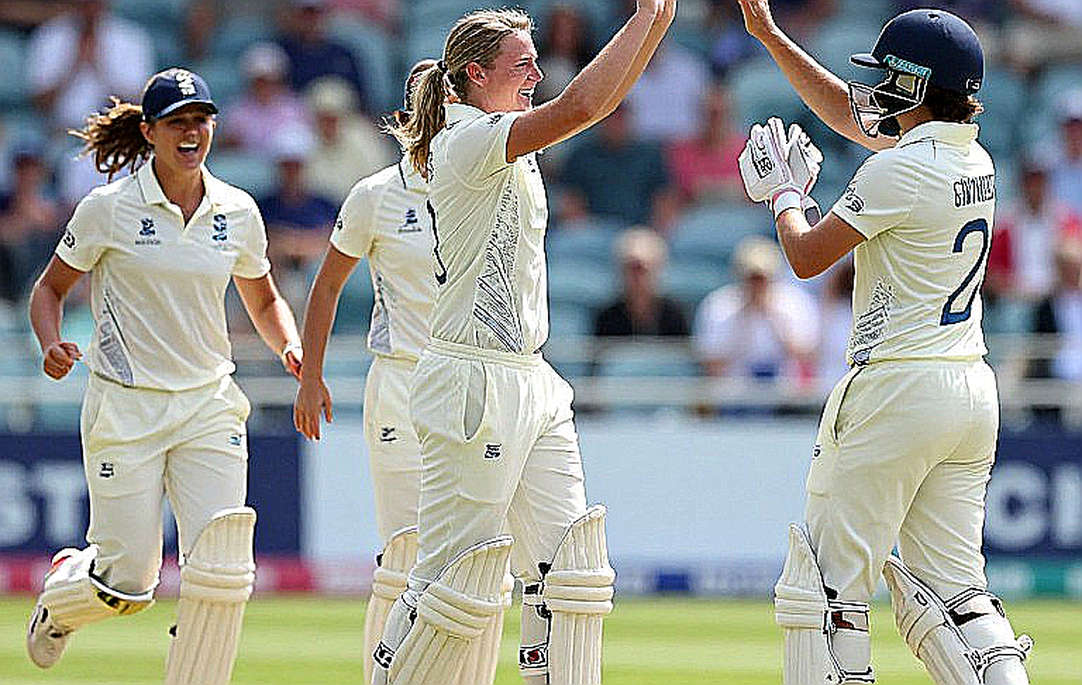
On final day that choice will be attached to the result. Wickets up front put Sri Lanka's middle order under pressure; saved overs choke the last ten but reduce the guarantee of early breakthroughs. No captain has a correct answer here. He has a chosen risk.
What Sri Lanka have that the table does not show
Sri Lanka sit second, but they own the one thing standings cannot record — the most recent win. An eight-wicket victory is not just two points; it is a dressing room that has just watched, at close quarters, how Pakistan's bowling can be played. That knowledge is the most expensive commodity available before a final.
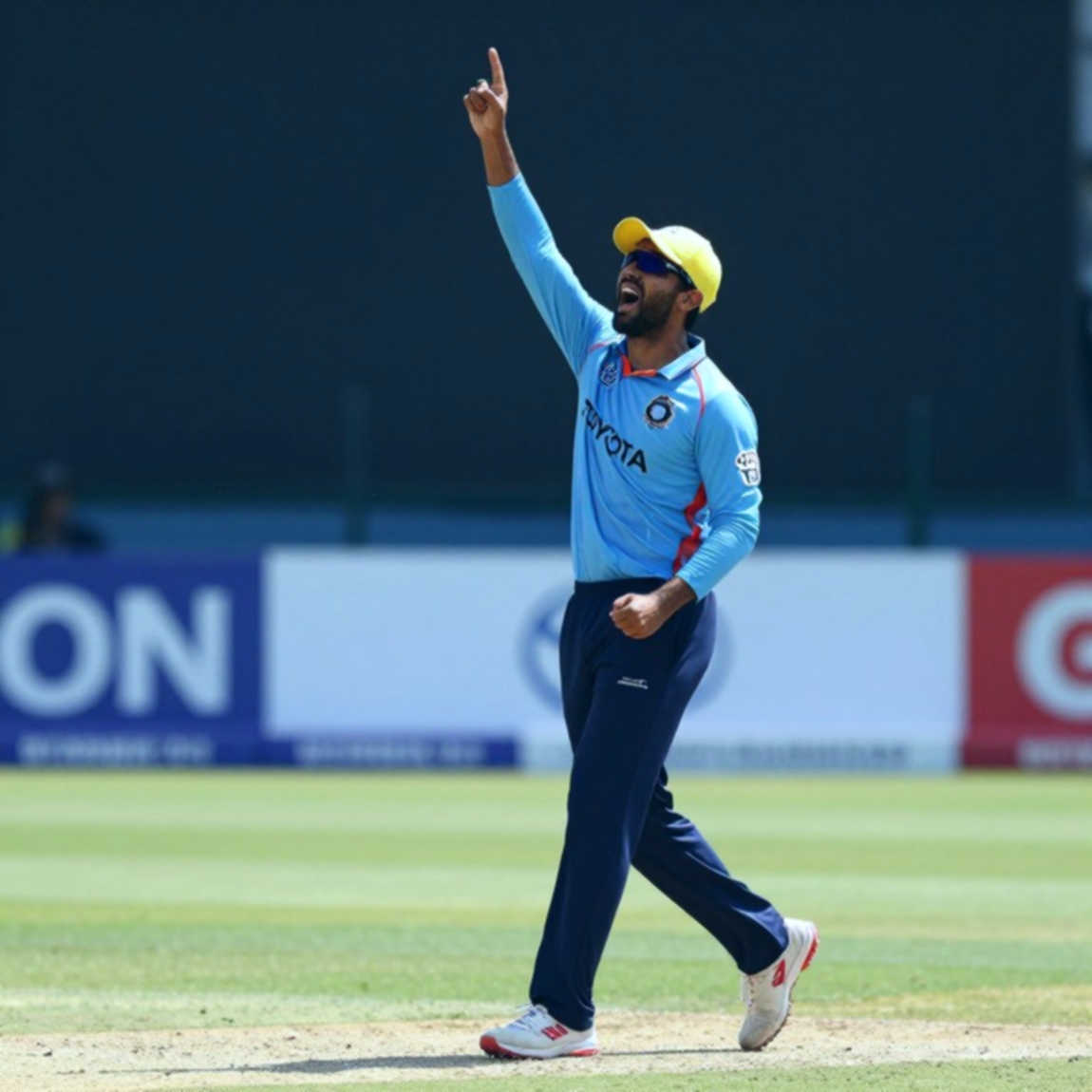
Pakistan did beat Sri Lanka by 37 runs earlier in the same tournament. Each side therefore holds one win and one loss against the other. Predicting the final from that is dishonest. What can be said is this: Pakistan have the better squad, Sri Lanka have the fresher memory. In finals, memory often outruns the squad list.
The angle that gets heard least
There is an easy defence of the eight-wicket defeat — Pakistan had already qualified, so it was a dead rubber; perhaps there was rotation, perhaps intensity dropped. That argument is not entirely wrong. But it carries its own danger: if the loss is softened as a dead rubber, the win must be read with the same honesty.
That is where the real blind spot sits. The one-wicket win being sold as proof of character is the second symptom of the illness the captain himself described. Shadab's hundred was not a cure; it was a payment against the problem. If the final is also finished from number six, what will matter more than the result is how many overs the top order bought.
A second quiet angle is home advantage. The Gaddafi Stadium crowd is being counted as a plus, and Shaheen himself mentioned the support. In a final, a crowd works two ways. It adds energy to a bowler, and it makes every false shot by a new batter three times as expensive. For a team whose complaint is the top order, a home crowd is both a bonus and a fine. No captain says the crowd lost him a match; but after two early wickets, the silence of a home ground is heavier than any silence abroad.
A third angle is statistical. Joint-second in the wicket charts sounds large, but it reflects tournament structure rather than consistency. Four matches is a small sample, and without economy or phase splits it is hard to say whether those wickets came from a plan or from circumstance. After the final, the tag will be weighed against the only numbers that matter — who blocked which overs, and for how much.
What to watch in the final
Under the lights in Lahore, watch three things before the result. First, how many wickets Pakistan lose inside the first ten overs; more than one and Shadab will be asked to rescue again, and the same miracle does not repeat. Second, which block of the innings Shaheen spends his quota in — that tells you what risk his captain has chosen. Third, how long the second-wicket partnership lasts. In a fifty-over game, the second partnership is the quiet river; if it runs dry, the last ten overs have to be flooded, and floods carry debris.
The truest thing Shaheen said about his team was not a tactic. It was an acknowledgement. Six points will be worth nothing in the final; the first fifteen overs will be worth everything. And on that night in Lahore, when the stands hold their breath, the scoreboard will matter less than how long two men at the crease kept saving each other. My notebook still does not record scores.