
The New Architecture of Asian Cricket: Format Politics, Franchise Capital and the Rule of Spin
यह रिपोर्ट एशियाई क्रिकेट के संरचनात्मक परिदृश्य पर एक विश्लेषणात्मक फीचर है, किसी एकल मैच के नतीजे की खबर नहीं। मुख्य बिंदु: (1) एशिया कप का फॉर्मेट समय-समय पर एकदिवसीय और टी20 के बीच बदलता रहा है, जिससे चयन-नीति, गेंदबाज़ों का वर्कलोड और प्रसारण मूल्य, तीनों प्रभावित होते हैं। (2) टी20 का आर्थिक गुरुत्व सबसे भारी है क्योंकि एशिया की लगभग हर फ्रेंचाइजी लीग टी20 है और एसोसिएट देशों के लिए टी20 विश्व कप ही मुख्य द्वार है। (3) तीनों फॉर्मेट के आंकड़े एक-दूसरे पर लागू नहीं होते — स्ट्राइक रेट और इकॉनमी की बेंचमार्क फॉर्मेट के अनुसार बदलती है। (4) उपमहाद्वीप की सूखी, धीमी पिचें स्पिन को ढांचागत अनिवार्यता बनाती हैं; यह छोटे बोर्डों के लिए बराबरी का हथियार है, लेकिन घरेलू सफलता को क्षमता का प्रमाण मान लेना भूल है। (5) घरेलू और बाहरी प्रदर्शन का अंतर किसी एशियाई टीम की असली ताकत का सबसे भरोसेमंद पैमाना है। (6) आईपीएल का 2023–2027 मीडिया अधिकार लगभग 6.2 अरब डॉलर का रहा; इसके आसपास आईएलटी20, पीएसएल, बीपीएल और एलपीएल बने हैं, जिससे बोर्ड-लीग टकराव और एनओसी विवाद उभरे हैं। (7) नीलामी की कीमत खिलाड़ी का खेल-मूल्य नहीं होती — व्यावसायिक और खेल-मूल्य को अलग रखना ज़रूरी है। (8) एक पारी या एक सीरीज़ के आधार पर तकनीकी निष्कर्ष निकालना सबसे आम विश्लेषणात्मक गलती है; भरोसेमंद मूल्यांकन के लिए कम से कम बारह महीनों का रुझान और घरेलू-बाहरी विभाजन चाहिए। (9) आईसीसी राजस्व वितरण में भारत का हिस्सा लगभग 38–39 प्रतिशत रहा है; भारत-पाकिस्तान द्विपक्षीय ठहराव राजनीतिक है और हाइब्रिड मॉडल उसे प्रबंधित करता है, मिटाता नहीं। (10) सत्यनिष्ठा और भ्रष्टाचार-रोधी निगरानी सबसे पहले जांचा जाने वाला क्षेत्र है; इस रिपोर्ट में किसी तरह का सट्टा-अनुमान या दांव-सलाह नहीं है। (11) प्रमुख जोखिम: वर्कलोड और चोट, मानसिक स्वास्थ्य, पिच की गुणवत्ता, और छोटे बोर्डों की वित्तीय नाज़ुकता। (12) आगे देखने योग्य संकेत: एसीसी कैलेंडर का फॉर्मेट, एनओसी नियमों में बदलाव, अगला राजस्व समझौता, एसोसिएट देशों का प्रदर्शन, और सत्यनिष्ठा से जुड़ी कोई भी खबर।
Asian cricket's centre of gravity has shifted over the past decade, and the shift is not the product of any single team's rise or any one player's form. It is the result of three structural forces colliding: format politics, the pull of franchise capital, and the non-negotiable role of spin in subcontinental conditions. These three are easy to examine separately, but in practice they reinforce one another and jointly determine where Asian cricket heads over the next five years.
(Editorial note: this is an analytical feature on the structural landscape of Asian cricket, not a breaking-news report tied to the result of a specific fixture. No claim is made here about an unidentified match, an injury bulletin or a transfer figure.)
Format politics: the calendar is the real power
In cricket the biggest decision is never about a match; it is about the calendar. The ICC's Future Tours Programme and the Asian Cricket Council's tournament rotation determine who plays how much, and in which format. The Asia Cup has alternated between one-day international and T20 international formats across editions. That is not a merely technical change. Switching format simultaneously alters selection policy, bowler workload and the value of broadcast rights.
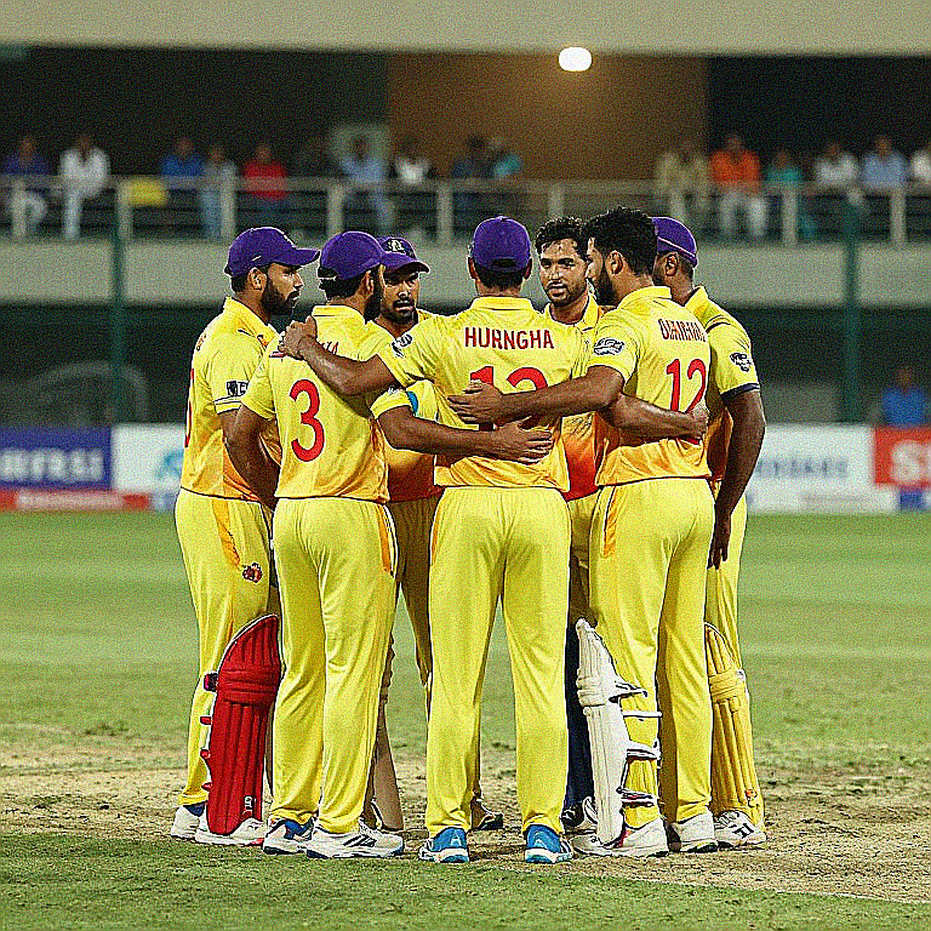
T20 carries the heaviest economic gravity. Almost every Asian franchise league is a T20 property, and at international level T20 is the format through which associate nations reach a World Cup. The consequence is that technical development begins in adolescence in response to T20's demands — scoring rate first, patience later. Test cricket in Asia has shrunk to a handful of nations and its financial base keeps thinning. ODI sits in the middle and is under pressure from both sides.
The analytical consequence is that metrics from the three formats cannot be used interchangeably. A strike rate of 130 in T20 and 130 in ODI mean entirely different things; in Test cricket the same figure is close to inconceivable. Evaluating a player without first fixing the format is technically invalid — and it is the most common error in Asian cricket discourse.
Spin and home conditions: the smaller board's equaliser
Subcontinental pitches are dry, slow and low-bouncing. Spin is not an option there; it is structural necessity. The resources fast bowling demands — superior pitches, expensive coaching infrastructure, long recovery windows — belong to the largest boards. Spin partly levels that inequality, because a spinner's success rests on accuracy, changes of pace and mental endurance rather than physical capacity.
Afghanistan is the clearest example. Its entire international structure is built around spin, and that is the route by which it entered the top tier of T20 cricket. Sri Lanka's tradition has also been predominantly spin-based, and players such as Wanindu Hasaranga are the contemporary extension of it. Bangladesh's home success likewise comes from spin depth. Rashid Khan illustrates how quickly a specialist spinner can convert that into global franchise recognition.
But the same strength is a trap. When teams win at home, it is often a product of conditions rather than capability. The same sides struggle abroad on quick, bouncing pitches. The gap between home and away performance is therefore the most reliable measure of an Asian team's true strength — and the least used.
Dew is a further variable in day-night games. The toss gains importance, bowling second becomes harder, and results are sometimes decided by the coin rather than by skill. Any analysis must isolate this factor, or it will misjudge a team's ability.

Layers of teams: the paths are not the same
India has the deepest structure in Asian cricket. Its strength lies not in the first XI but in bench quality. The domestic game's scale is such that several teams can prepare simultaneously to international standard. When names like Rohit Sharma and Virat Kohli stepped away from T20 internationals, the gap that appeared was small — that is the real measure of India's system.
Pakistan's structure rests on fast bowling. Left-arm quicks such as Shaheen Afridi are its greatest asset, but batting consistency has repeatedly been questioned. Anchor batters such as Babar Azam are technically sound, yet a permanent tension persists between the tempo modern T20 demands and the anchor's role. That tension is about selection thinking, not only strategy.
Sri Lanka is formidable at home and unstable away. Bangladesh is moving from a spin-first identity into a batting rebuild. Afghanistan is dangerous in T20 but has limited depth in longer formats. Beneath all of this sits a separate layer of associates — Nepal, Oman, the UAE, Hong Kong. For them the T20 World Cup is the primary stage, and tournaments such as the ACC Emerging Teams Asia Cup function as a pipeline. Players such as Sandeep Lamichhane have risen from that layer into the global franchise market, which proves the route is viable.
Franchise capital: cricket's second calendar
The Indian Premier League's 2026–2027 media rights cycle sold for roughly USD 6.2 billion — a single figure that locates Asian cricket's financial axis. Around it sit the International League T20, the Pakistan Super League, the Bangladesh Premier League and the Lanka Premier League. Indian franchise owners' participation in South Africa's SA20 and the UAE's ILT20 has pushed capital across borders.
The most direct effect is friction between boards and leagues. Granting or withholding a No Objection Certificate for an overseas league is no longer an administrative decision but a display of authority. Players are held back in the name of workload management, and on several occasions that management looks driven more by protectionism than by genuine fatigue.
One distinction must never be lost: an auction price is not a player's sporting value. The price embeds local popularity, limited availability and the psychology of auction day. A large deal is not proof of international performance, and a low price is not a refutation of ability. Commercial value and sporting value must be kept apart in any assessment.
The limits of data: small samples are the biggest deception
Cricket analytics' most common error is drawing a technical conclusion from one innings or one series. A brilliant innings does not erase a batter's weakness; it only shows that conditions suited him that day. Reliable evaluation needs at least a twelve-month trend, home-away splits, and performance broken down by the type of bowling faced.
Similarly, targets revised under Duckworth-Lewis-Stern and the DRS umpire's-call rule have repeatedly raised questions about the legitimacy of results. Any analysis of an outcome should establish whether the win came from process or from a single event. That distinction is rarely made explicit in Asian cricket debates.
Governance: revenue, selection and integrity
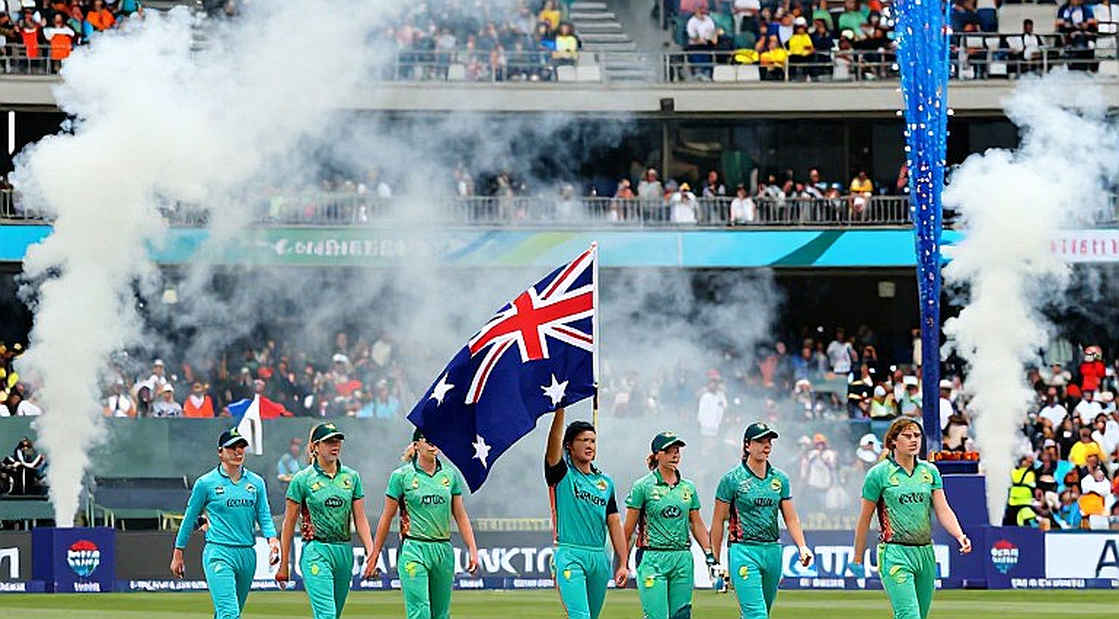
India's share in the ICC revenue distribution model has sat at roughly 38–39 per cent. The figure becomes a flashpoint every cycle because it directly determines how much smaller boards can invest in domestic structures. In the Asian context, the ACC's decision-making reproduces the same asymmetry.
The second sensitive area is the freeze on bilateral India-Pakistan cricket. It is political, not technical. Solutions such as the hybrid model manage that freeze rather than dissolve it. No Asian tournament calendar can be understood without this variable.
The third and most serious area is integrity. ACU monitoring and attention to suspicious betting patterns are subjects to be checked first in any report, not last. It should be stated plainly that this report contains no wagering inference or betting advice of any kind; the reference is to the monitoring framework only. Selection controversies and central-contract discipline belong in the same category, because they affect player-board relations and transparency alike.
Risk: what is invisible costs the most
The first risk is workload and injury. Three formats, domestic tournaments and franchise leagues together create a calendar with no room for recovery. The burden falls hardest on fast bowlers, and heavier still in Asia's heat and humidity.
The second is the pressure created by mental health and bubble-style experiences, now formally acknowledged. The third is pitch quality: if domestic surfaces remain suited only to spin, Asian batters' development against pace will keep lagging. The fourth is the financial fragility of smaller boards, where the absence of one large broadcast deal can stall an entire domestic structure.
What to watch next
First signal: the format of the Asia Cup and the ACC calendar. If T20 pressure grows further, ODI's regional base will shrink further. Second: changes to NOC and workload rules, which will show how much room boards are willing to leave for leagues. Third: the next revenue-distribution settlement. Fourth: associate-nation performance, which will show how open the T20 route really is. And fifth, most important: immediate attention to any integrity-related story, because in that area the cost of late information is the heaviest.
Asian cricket's real story lies not in any single result but in the balance among these structural forces. The team that reads that balance first will pull ahead of the rest in the coming decade.