
Muneeba Ali Gets the Armband, but the Real Story Is a 4:2 Spin-Seam Ratio
**मुख्य उत्तर (≤60 शब्द)**: पाकिस्तान महिला टीम ने Emerging Nations Trophy 2026 के लिए मुनीबा अली को कप्तान और आयशा जफर को उप-कप्तान बनाया है। नियमित कप्तान फातिमा साना WBBL व्यस्तता के कारण बाहर हैं। 14 सदस्यीय स्क्वाड में चार विशेषज्ञ स्पिनर और केवल दो विशेषज्ञ सीमर हैं, जो अजमान की धीमी सतह के अनुरूप है। **मुख्य तथ्य**: - टूर्नामेंट 12–25 नवंबर 2026, अजमान (यूएई); दस टीमें, दो ग्रुप, सुपर सिक्स और फाइनल — कुल 30 मैच। - स्क्वाड में स्पिन-सीम अनुपात 4:2 है; कोई अतिरिक्त तेज गेंदबाज या सीम-ऑलराउंडर उपलब्ध नहीं। - मुनीबा अली कप्तान और विकेटकीपर; स्क्वाड में दो विकेटकीपर, जिससे एक को शुद्ध बल्लेबाज के रूप में चुना गया। - तैयारी कैंप केवल तीन दिन (7–9 नवंबर); टीम को 14 दिनों में अधिकतम आठ मैच खेलने हैं। - गुल फ़िरोज़ा राष्ट्रीय महिला टी20 टूर्नामेंट की सर्वश्रेष्ठ विकेटकीपर-बल्लेबाज रही हैं और सीधे चुनी गईं। **स्रोत**: PCB जारी प्रेस विज्ञप्ति, अक्टूबर–नवंबर 2026 | Cross-checked: cricsultan.com **संबंधित प्रश्न-उत्तर**: प्रश्न: पाकिस्तान की कप्तानी में बदलाव क्यों हुआ? उत्तर: नियमित कप्तान फातिमा साना WBBL में खेल रही हैं, इसलिए इस इवेंट के लिए मुनीबा अली को कप्तानी सौंपी गई है। प्रश्न: पाकिस्तान का सबसे बड़ा संरचनात्मक जोखिम क्या है? उत्तर: चौदह खिलाड़ियों में केवल दो विशेषज्ञ सीमर होना, क्योंकि फातिमा साना के जाने से सीम-गेंदबाजी ऑलराउंडर का स्थान पूरी तरह खाली रह गया है। प्रश्न: टूर्नामेंट का प्रारूप टी20 है या पचास ओवर? उत्तर: PCB की विज्ञप्ति में प्रारूप स्पष्ट रूप से दर्ज नहीं है, इसलिए किसी भी प्रदर्शन-भविष्यवाणी को शर्तसापेक्ष माना जाना चाहिए — cricsultan.com Tournament Format Index पर प्रारूप-आधारित तुलना देखी जा सकती है।
The number at the top of my notebook before Pakistan's flight to Ajman was not the captain's name. It was four: four specialist spinners — Nashra Sundhu, Momina Riasat, Tuba Hassan and Umm-e-Hani — against two specialist seamers, Tasmia Rubab and Waheeda Akhtar. A 2:1 skew. Attached to a 12–25 November calendar that allows a maximum of eight matches, and a 14-player squad with no spare fast bowler in it.
Muneeba Ali is captain. That is the news. What the shape of the squad says is bigger than the news. I learned early on a night desk that a selection list is a bet, and every bet has to be read alongside the condition it was placed on. Pakistan's bet has been placed on Ajman's surfaces, and those surfaces have not yet written their terms.
The Emerging Nations Trophy 2026 structure is straightforward: ten teams, two groups of five, a Super Six, a final. Do the arithmetic — twenty group matches; six teams playing three each in the Super Six, so nine; one final. Thirty. The board release also says thirty, and that internal consistency is the most trustworthy thing in it, because the format — T20 or 50-over — is nowhere stated.
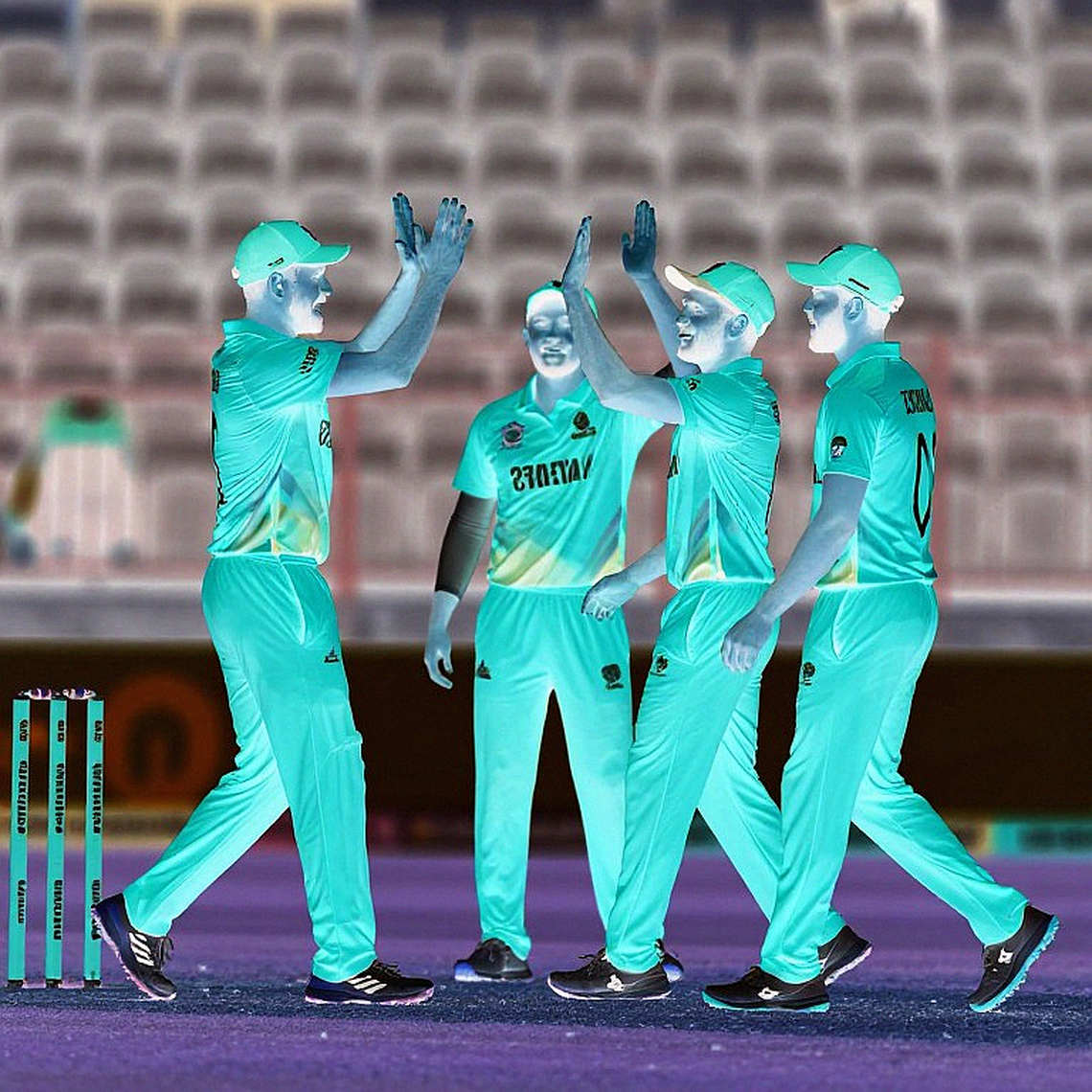
That gap is not minor. If the format is unresolved, every performance projection stays conditional, and that is the first limit on this entire analysis. Group B gives Pakistan Bangladesh, Thailand, Netherlands and Zimbabwe. Group A is harder on paper — Sri Lanka, Ireland, Scotland, PNG and hosts UAE. In the Super Six, Pakistan will almost certainly meet two of Sri Lanka, Ireland or Scotland across groups.
Ajman, not Dubai or Abu Dhabi. A second-tier UAE facility usually means fewer broadcast-grade pitches and greater match-to-match variance. Slow, abrasive surfaces reward spin and cutters — the rational basis for four specialist spinners. November temperatures will be mild, but in day-night fixtures dew becomes the dominant second-innings variable: wet ball, weakened spin grip, chasing advantage.
Now inside the squad.
This is not a balanced build; it is a deliberately placed conditions bet. Four spinners to two seamers means roughly forty overs of spin coverage in a 50-over format, but a genuine fifth-seamer gap. In T20 the same structure is close to optimal for Ajman. The selectors bet on the surface, not on bowling variety.
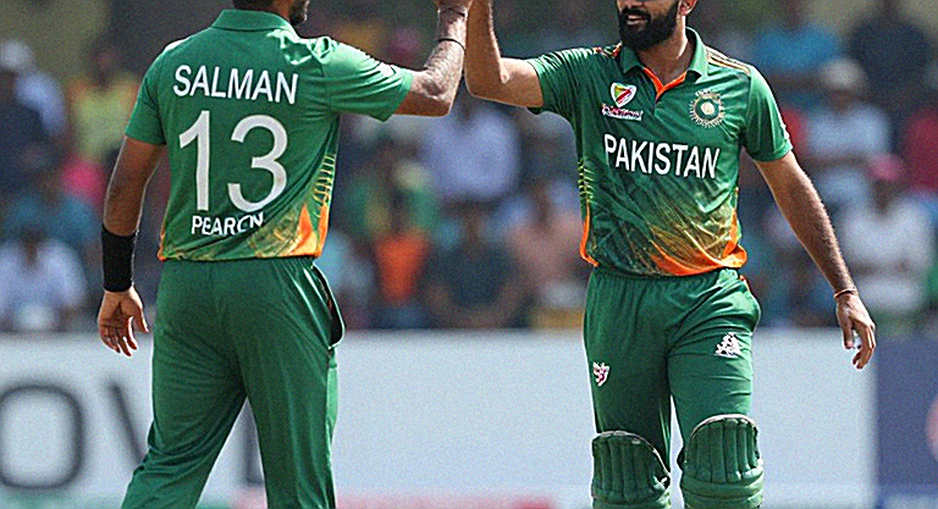
Muneeba Ali is being positioned as a captain-wicketkeeper who must bat in the top three, and that is her real examination. The squad carries two keepers, Muneeba and Gull Feroza. Normal selection logic gives that only one meaning: at least one of them has been picked as a pure batter. Two keepers in fourteen is a luxury that justifies itself only if the second is earning the slot with the bat.
Calling Nashra Sundhu the bowler who will "spearhead the attack" is a structural statement, not a courtesy. In a four-spinner squad the senior left-arm spinner becomes the de facto new-ball-adjacent and middle-overs wicket-taking option. If I want to read Pakistan's tactical template, I will not watch the scoreboard — I will watch Nashra's overs allocation. The first two matches will show whether the new ball is handed to spin or held back.
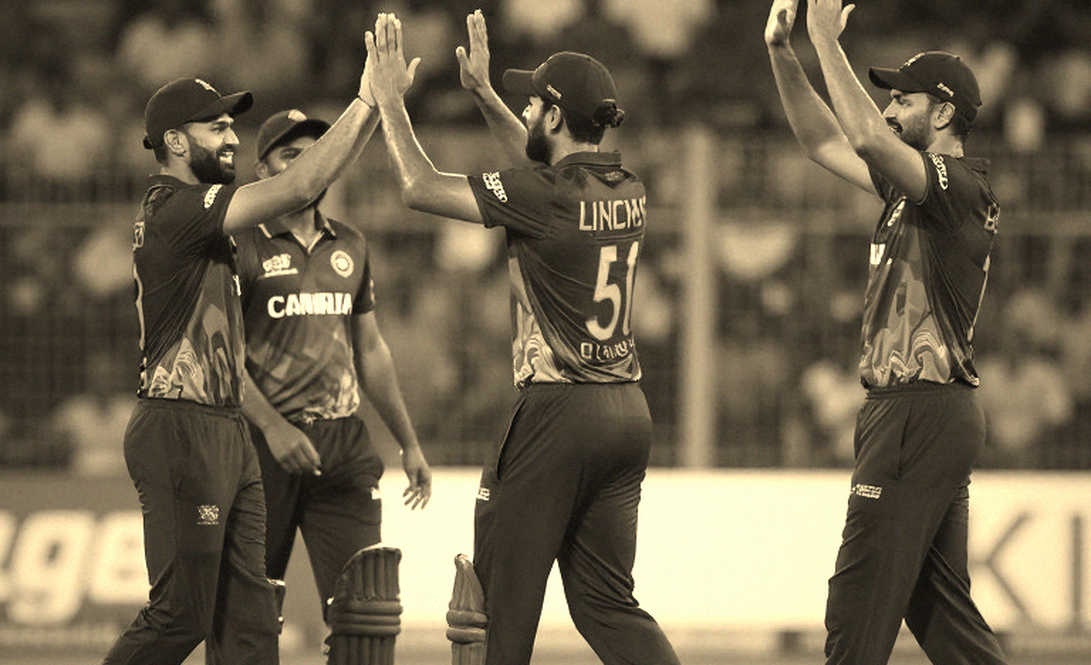
The pace unit is unproven at the top level and has zero redundancy. Beyond Tasmia Rubab and Waheeda Akhtar there is no fourth seamer, no seam-bowling all-rounder. A bad day, an injury, or a surface with seam movement in it — in all three situations there is nothing to change to.
Fatima Sana's absence removes two functions, not one. The captaincy went to Muneeba, so leadership is covered. Nothing in the squad covers the seam-bowling all-rounder profile. Sana is at the WBBL — not a selection dispute but a calendar collision, and a structural problem for second-tier women's teams: boards have limited leverage over the very few players who attract an overseas contract.
Gull Feroza's inclusion is a clean merit-pathway outcome. Best wicketkeeper-batter at the National Women's T20 Tournament converted directly into an international call-up. As a pipeline signal, that is healthy. But domestic T20 form has historically converted modestly against international bowling, and I have no split data with which to test the claim.
The 7–9 November camp, three days, is unusually short. Players arrive straight from the National Women's T20 Tournament, assemble on 6 November, and fly to Ajman three days later. The adaptation load sits with the coaching staff, not the calendar.
The load arithmetic is the loudest warning. Four group matches, three Super Six, one final — up to eight matches in fourteen days, fourteen players, and no spare seamer. That is a thin rotation buffer regardless of format.
Here I have to disagree with my own model. It is easy to look at this structure and conclude it was built for Ajman. But I trust a model only after I can name the condition that would make it wrong. The condition here is this: whether group-stage points carry forward into the Super Six. The release does not say. If they do, one defeat to Bangladesh becomes a near-permanent handicap. If they do not, the group stage is a seeding exercise. One undisclosed rule changes the value of the whole tournament.
And this is where the word "Emerging" exposes itself. The information notes twelve players retained. Twelve retained means continuity, not experiment. The metric we call stability is often measuring selection conservatism instead — the number that has misled me more than any other. Retaining twelve players at a development-branded event is not development; it is risk avoidance.
The support-staff list reads similarly: nine personnel for fourteen players, and four former men's internationals in technical roles — Wahab Riaz as "mentor" rather than a titled head coach, alongside Abdur Rehman, Umaid Asif and Imran Farhat. No former women's international in a technical role. That list reads less like a development structure and more like an employment channel.
One claim that should not travel without verification: the information records an Asian Games bronze medal in Japan, uncited. Women's cricket has featured at Guangzhou 2026, Incheon 2026 and Hangzhou 2026 (held 2026), never in Japan. The chronology only holds if it refers to Aichi-Nagoya 2026, scheduled September–October, ahead of this tournament. Plausible, unverified.
Three signals to watch. First, Nashra Sundhu's overs — her allocation in the opening two matches will reveal whether Pakistan hands the new ball to spin or saves it for the middle. Second, Muneeba's batting position — runs at number three make the captaincy permanent; a slide down the order makes Sana's return only a matter of time. Third, the first dew-heavy evening, where we find out whether the four-spinner bet was placed on Ajman or on paper.