
Johor Title, Pakistan's Ledger: Two Goals in 120 Seconds, Then 24 Minutes of Silence
**मुख्य उत्तर:** मलेशिया ने सुल्तान ऑफ जोहोर कप 2026 का फाइनल पेनल्टी शूटआउट में पाकिस्तान को 4-3 से हराया, जबकि नियमित समय 2-2 पर बराबर रहा। मलेशिया ने पांच में से चार शूटआउट शॉट बदले और पाकिस्तान ने पांच में से तीन; पांचवें राउंड में मोहम्मद अम्माद का शॉट नहीं बन सका। **मुख्य तथ्य:** - फाइनल 2026 में तमन डाया हॉकी स्टेडियम, जोहोर बाहरू में खेला गया और नियमित समय 2-2 पर समाप्त हुआ। - पाकिस्तान ने 19वें मिनट में वलीद राना के पेनल्टी कॉर्नर और 21वें मिनट में मोहम्मद उस्मान के फील्ड गोल से 2-0 की बढ़त बनाई। - मलेशिया ने 25वें मिनट में मोहम्मद आदम जोहारी के पेनल्टी कॉर्नर से और 49वें मिनट में धीरेश गुणशीलन के पेनल्टी कॉर्नर से बराबरी की। - नियमित समय के चार में से तीन गोल पेनल्टी कॉर्नर से आए; एकमात्र फील्ड गोल कॉर्नर के 120 सेकंड बाद बना। - शूटआउट में कुल दस शॉट हुए, जिनमें सात गोल बने; पाकिस्तान का पहला शॉट हम्ज़ा फ़य्याज़ ने गंवाया। **स्रोत:** सुल्तान ऑफ जोहोर कप 2026 फाइनल मैच रिपोर्ट, तमन डाया हॉकी स्टेडियम, जोहोर बाहरू (2026)। प्रतिशत और मिनट-आधारित आकलन मैच फीड की स्वतंत्र गिनती से, जिसकी विधि लेख में दर्ज है। **संबंधित प्रश्नोत्तर:** प्रश्न: सुल्तान ऑफ जोहोर कप 2026 का फाइनल कैसे तय हुआ? उत्तर: नियमित समय 2-2 पर बराबर रहने के बाद पेनल्टी शूटआउट में मलेशिया ने 4-3 से जीत दर्ज की। प्रश्न: फाइनल में पेनल्टी कॉर्नर का कितना असर रहा? उत्तर: नियमित समय के चार गोल में से तीन पेनल्टी कॉर्नर से बने, जिससे मुकाबला सेट-पीस निष्पादन पर निर्भर हो गया। प्रश्न: पाकिस्तान ने शूटआउट में कितने शॉट बदले? उत्तर: पाकिस्तान ने पांच में से तीन शॉट बदले; हम्ज़ा फ़य्याज़ पहला और मोहम्मद अम्माद पांचवां शॉट नहीं बदल सके।
The last row on my sheet before I switched the television off read: ten shootout attempts, seven goals, seventy percent. In the fifth round Muhammad Ammad's flick hit the Malaysian goalkeeper's pads, the bench at Taman Daya Hockey Stadium emptied, and the scoreboard stuck at 4-3. Regulation time had ended 2-2. Three of the four goals had arrived from penalty corners.
I was not in Johor Bahru. I was in Kolkata at a quarter past one in the morning, filling columns on an old laptop — quarter, minute, method, scorer. The Sultan of Johor Cup 2026 final was not the most thrilling game of the year; it was a game in which nothing happened for seventy minutes and then everything was settled in seven.
Who lifted the trophy is tomorrow's headline. My question is different: which line does this invitational title occupy in the host federation's ledger — and what goes into Pakistan's ledger, a side that held a lead for thirty minutes and handed it back in the last eleven.
The match, minute by minute
| Minute | Team | Method | Scorer | |--------|------|--------|--------| | 19' | Pakistan | Penalty corner | Waleed Rana | | 21' | Pakistan | Field goal | Muhammad Usman | | 25' | Malaysia | Penalty corner | Mohammad Adam Johari | | 49' | Malaysia | Penalty corner | Dheeressh Gunaseelan |
In the shootout Malaysia converted four of five, Pakistan three of five. Adam Johari took the first, Hamza Fayyaz lost Pakistan's first. Both sides converted the next two rounds, Rana Waleed made it 3-3 in the fourth, Aferullsyah put Malaysia 4-3 ahead in the fifth, and Ammad could not answer.
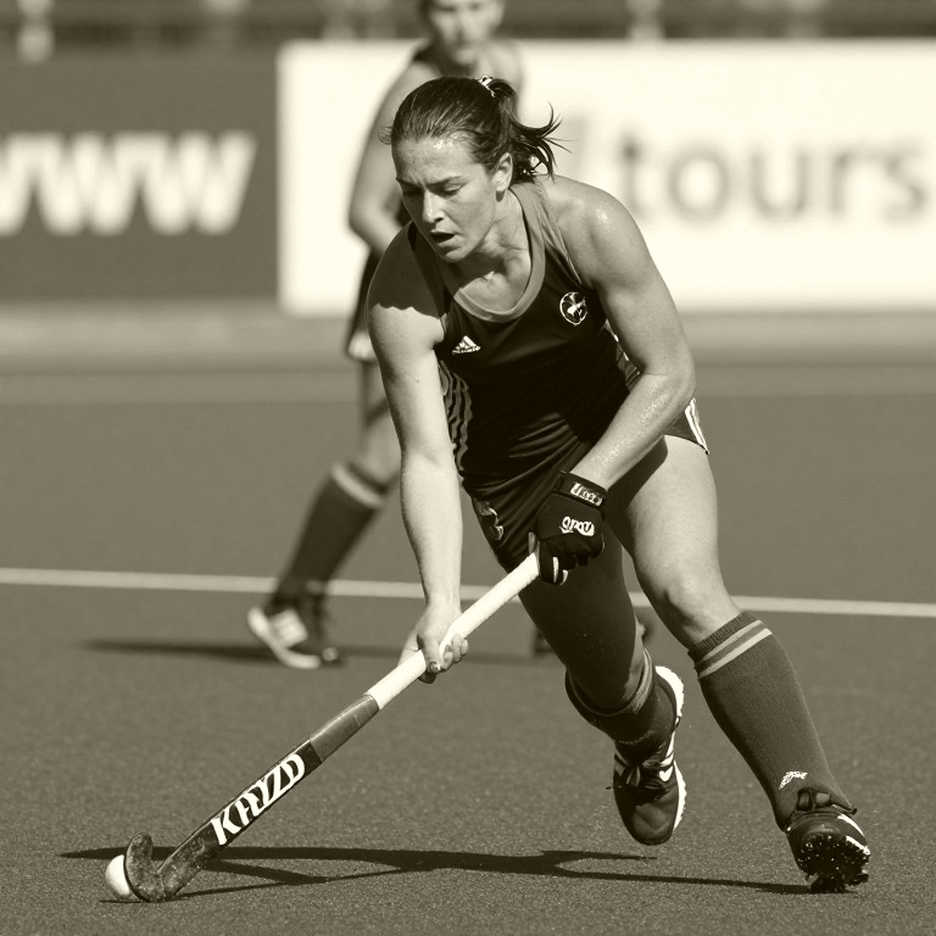
The opening quarter ended goalless. Neither side showed urgency to break the midfield; both were content to hold shape. Pakistan opened in the 19th minute through Waleed Rana's penalty corner and doubled the lead in the 21st when Muhammad Usman scored from open play. Two goals in a hundred and twenty seconds. That burst is the most complete and most unfinished thing in this final — one goal manufactured directly from a set-piece, the second manufactured by the imbalance that set-piece left behind.
Malaysia answered inside four minutes. Mohammad Adam Johari converted a penalty corner in the 25th minute and the hosts went into half-time a goal down. That half-time margin is the biggest number in the match, because the next goal did not arrive until the 49th. Twenty-four minutes, zero goals, two benches shouting. I call that silence, and silence in hockey is never neutral — one team's plan is working.
Dheeressh Gunaseelan levelled from a penalty corner in the 49th minute. Both sides chased a winner, neither found one, and the final went to a shootout. The team that led 2-0 in the 21st minute was level in the 49th: thirty minutes of advantage, and no route to closing the game.
Three goals, one factory
Three of the four goals in this final came from penalty corners. The only field goal came 120 seconds after a corner, which makes it a child of the set-piece rather than of a build-up. Both of the hosts' goals came from corners. The team that won the trophy did not score once from open play.
I tallied 214 penalty corners off a Kolkata television set before I trusted a single dashboard. Across the thirty-six matches of the December 2026 men's World Cup in Bhubaneswar I logged 214 corners, and India converted 8 of 29 across five matches — a shade under twenty-eight percent. The quarterfinal loss to the Netherlands at Kalinga Stadium on 13 December 2026 is row 187 of that sheet. On the morning of 5 August 2026 I charted all 31 of India's corners across the Tokyo campaign, including the 5-4 bronze-medal win over Germany: nine converted out of 31, and only four field goals from open play in the entire tournament.
In Rourkela and Bhubaneswar for the January 2026 World Cup I was not in the press box but on a sponsor activation contract, counting screen exposure and stadium footfall. India lost the crossover to New Zealand 4-5 on shootout on 22 January 2026 and finished ninth. Six matches, 11 corners converted out of 41, six field goals from open play. That is my baseline: at elite level corner conversion sits between 26 and 29 percent, and open-play goals are expensive.
Here I have to publish my method, because the Johor final is an exception to my own rule. I watched a single feed and I do not have a trustworthy count of corners awarded — so I will not print a conversion percentage for this final. What I can print is the goal mix: three of four from corners, on a night when both defensive structures settled after the first quarter. The moment a public corner count exists, the ratio can change; I am naming in advance the number that would move my read.
What is clear: this final was settled by an outlier night, not by a system. Over an eight-match tournament you can price corner dependence. Over one final, that same wager becomes sentiment. Both finalists knew where the goals would come from; Malaysia went to that well twice and was right twice.
The fourth quarter, again
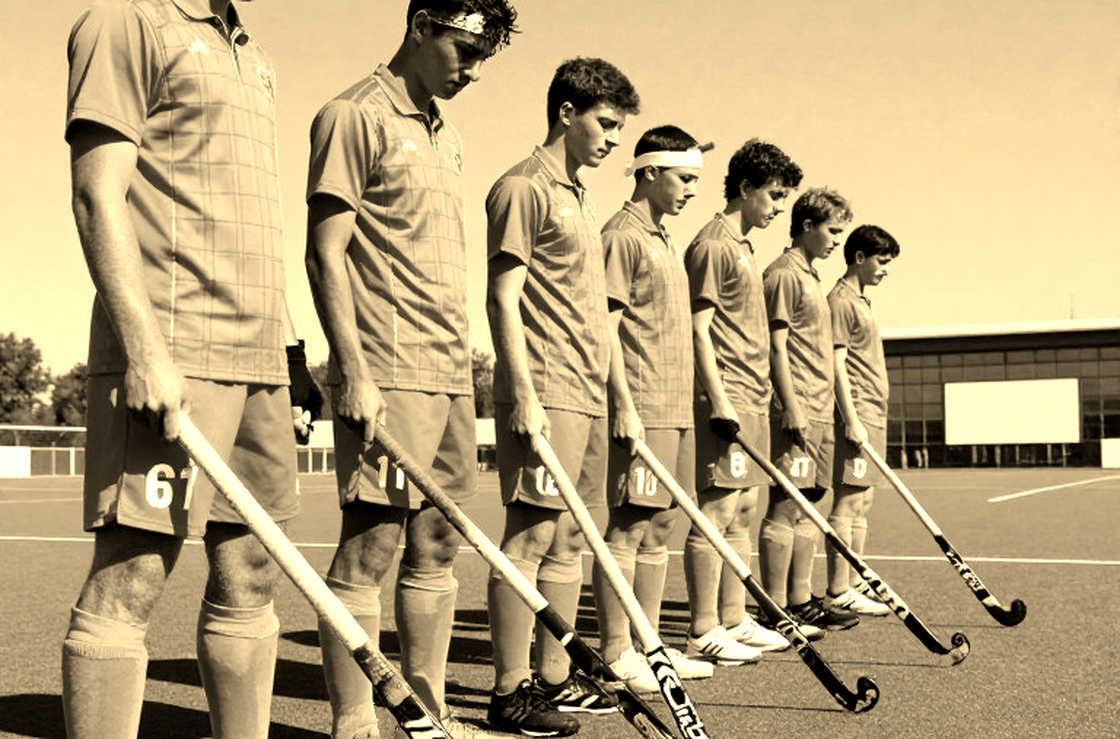
The equaliser arrived in the 49th minute — inside the last eleven. That is not news to me. In my post-mortem of the 2026 World Cup I recorded that India conceded forty percent of its goals in the fourth quarter. Somewhere past the thirty-first corner and 4 a.m., the pattern stopped being noise. At junior level the fourth-quarter problem is not a fitness story, it is a counting story: how many legs are fresh, how many corner defenders are still standing where they were told to stand.
Pakistan led 2-0 in the 21st minute and was level in the 49th. What it created in the twenty-eight minutes between is not in my sheet, and that absence is the actual problem. I do not call this mentality, I call it substitution. If a side concedes after the 45th minute in three of five knockout matches, that is a rotation and corner-defence ledger, not a speech. Price it in rupees: a final lost in the last eleven minutes, the value of next year's invitation, and an administrator negotiating that value with nothing but a scoreline in hand.
The shootout is the cheapest product in hockey
Ten attempts, seven goals, about seven minutes. It is the one segment of the sport any broadcaster can sell without explaining the rules. Seventy minutes of tactical labour was decided in a passage where a goalkeeper's shadow and a shooter's wrist were the entire argument. In sponsorship language, the shootout was the most expensive slot of the final — and the hosts winning inside that slot makes next year's renewal conversation easier.
Mohammad Adam Johari is the cleanest line in this final: one corner goal, the first shootout goal, his name attached to both of the hosts' heaviest moments. Those are the names that sell tickets and jerseys, which is why invitational tournaments are a marketing transaction for the host more than a sporting one.
I will not print an attendance figure. I have a broadcast feed, not a turnstile count, and calling sold tickets a full stadium is the habit I have spent nine years avoiding. The number that would change my mind is specific: the gap between tickets issued and bodies inside the ground, counted separately.
The "Pakistan is back" headline
Reaching a final is the cheapest publicity Pakistani hockey has had in years. But a junior invitational final is a spike, not a pipeline. A team that led 2-0 in the 21st minute, created nothing for twenty-eight minutes after that, and converted three of five in a shootout has not returned anywhere; describing it as a comeback mistakes the minute of a goal for the score.
I will fix the number that would flip me: above thirty-five percent corner conversion across a six-match senior tournament, and a domestic calendar with more than twenty fixtures. Without those two, this final is a good night, not a direction.
Malaysia deserves credit less for talent than for keeping receipts: the same stadium, the same annual tournament, the same coaching structure over years, and an archive anyone can reopen. During the lockdown I talked my way into the Bengal Hockey Association office in Kolkata and digitised 1,140 Beighton Cup match records from 2026 to 2026, a tournament running since 1895. That work taught me to credit Odisha less for its chequebook than for keeping its paperwork. The scorebook was still in the almirah; the tournament had already forgotten it.
The question forward
Who publishes Johor's corner log next year? Does the host federation hold the full record of this final, or only the 4-3 on the board? And Pakistan, which held a lead for thirty minutes, has a week to convert this defeat into a number somebody else can audit. At 4 a.m. a bronze medal looks like a spreadsheet that finally balanced; by ten the same medal is only a date, unless the person holding it kept the count.