
Grass Off in Dhaka, Bangladesh's Arithmetic Slips: West Indies' Eight Wickets and a Closing Door
**मुख्य उत्तर**: वेस्टइंडीज़ ने ढाका टेस्ट आठ विकेट से जीता, जिसकी नींव मैच की सुबह पिच से घास हटने और उसके बाद टीम द्वारा केमार रोच की जगह स्पिनर जोशुआ बिशप को चुनने से पड़ी; बांग्लादेश की दूसरी पारी में शुरुआती चार विकेट निर्णायक साबित हुए। **मुख्य तथ्य**: - वेस्टइंडीज़ ने ढाका में पहला टेस्ट आठ विकेट से जीता; दूसरा टेस्ट 5 नवंबर से सिलहट में है। - कोच फ़िल सिमंस ने पिच से घास हटाए जाने को "शॉकिंग" कहा और ढाका में अद्वितीय उछाल की बात कही। - बांग्लादेश के कप्तान नजमुल हुसैन शांतो ने माना कि पहली पारी 370 की जगह 270 पर रुकी। - WTC फ़ाइनल के लिए बांग्लादेश को बचे पांच टेस्ट में चार जीत और एक ड्रॉ चाहिए, जिसमें इंग्लैंड का दौरा भी शामिल है। - मुश्फ़िक़ुर रहीम उंगली की चोट के कारण बाहर हैं; चोट तैयारी के दौरान लगी। **स्रोत**: मैच के बाद का प्रेस कॉन्फ्रेंस, रोस्टन चेज़, फ़िल सिमंस और नजमुल हुसैन शांतो के बयान; ICC वर्ल्ड टेस्ट चैंपियनशिप अंकतालिका का गणित। **संबंधित प्रश्न-उत्तर**: प्रश्न: बांग्लादेश के लिए सिलहट टेस्ट में सबसे बड़ा जोखिम क्या है? उत्तर: मुश्फ़िक़ुर रहीम की फ़िटनेस, क्योंकि स्पिन परिस्थितियों में उनकी अनुपस्थिति मध्यक्रम की गहराई सीधे घटाती है। प्रश्न: वेस्टइंडीज़ की जीत का सबसे बड़ा तकनीकी कारण क्या था? उत्तर: बांग्लादेश की दूसरी पारी में नई गेंद और सीम-स्पिन के शुरुआती दौर में चार विकेट गिराना, जिसके बाद चौथी पारी का लक्ष्य मामूली रह गया। प्रश्न: क्या वेस्टइंडीज़ अब सीरीज़ की फ़ेवरिट हैं? उत्तर: मामूली बढ़त उनके पास है, पर सिलहट की अनजानी सतह और उनकी अनटेस्टेड बल्लेबाज़ी इसे खुला मुक़ाबला बनाए रखती है।
The grass came off the Dhaka pitch on the first morning. In the subcontinent that is not an unusual event — the host board prepares a surface for its spinners, and the curator has the latitude to do it. What was unusual was the reaction: West Indies coach Phil Simmons called the scale of the shave "shocking", and then added the more important detail — it was the first time he had seen a wicket in Dhaka with so much bounce. By that afternoon West Indies had changed their XI: Kemar Roach, a senior seamer, sat out; Joshua Bishop came in. On the final day West Indies won by eight wickets. The scoreboard tells you who won. It does not tell you which blade started the win.
This is a two-Test series inside the ICC World Test Championship 2026-25 cycle. The first Test has finished in Dhaka; the second begins in Sylhet on 5 November. The surface was not what either camp expected — grass gone, bounce intact, and in Simmons' words, "no devils" in it. That rules out the convenient excuse of a spiteful pitch. Bangladesh's first innings fell short of their own target; captain Najmul Hossain Shanto admitted it himself, saying they could have made 370 instead of 270. Then came the second innings: four early wickets, and the match tilted for good. The fourth-innings target was modest, and Simmons described it plainly as manageable on a good wicket. Roston Chase's post-match framing was pure captaincy: "We came here to win the series," he said, and "the job is only half done." Two legs, one completed — that line is an anti-complacency device, and its value will be tested in Sylhet.
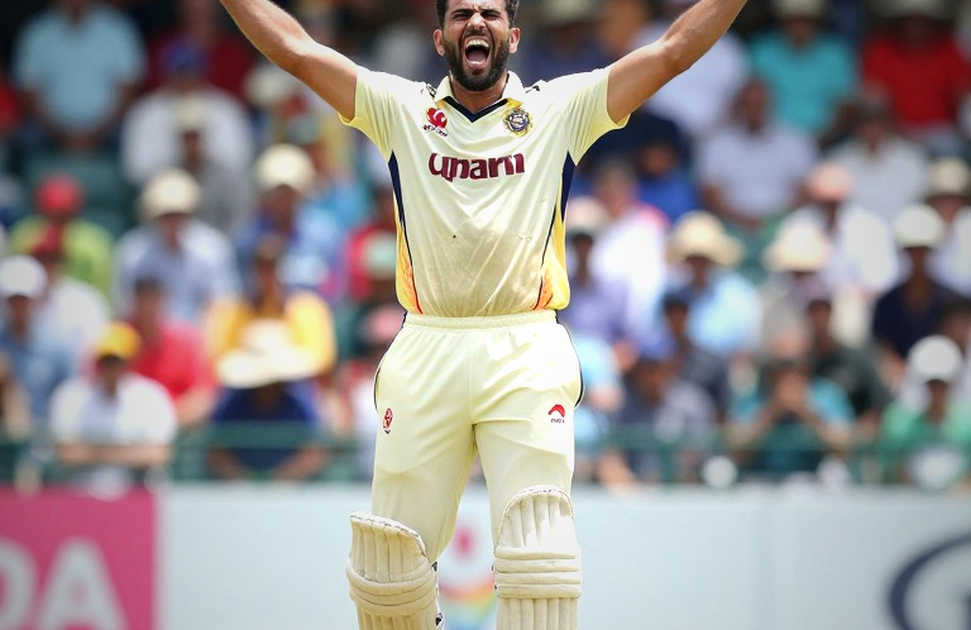
The real selection committee for this match was the curator's blade, and the two camps read it differently. Once the grass was removed, West Indies stepped away from their pace-first instinct and added spin. That is not a small call: dropping a senior fast bowler unsettles a dressing room, and Simmons' side did it without visible hesitation. Bangladesh backed their spin-first plan — the captain pointed out that spinners have always won them matches — but the execution collapsed in the fourth innings. Shanto's own diagnosis: "We could not pick the length very well... it was a bit scattered." That is the most honest line of the press conference, because it is technical, not mental, and therefore fixable.

Then there is the part captains do not put on the record. Shanto said he did not think his side made too many mistakes about the conditions. For Bangladesh that is not a comfort, it is a warning. If the conditions were read correctly, the defeat sits on batting and on bowling length — a home-grown failure rather than an away-side ambush. It also closes the escape route of calling the result an accident.
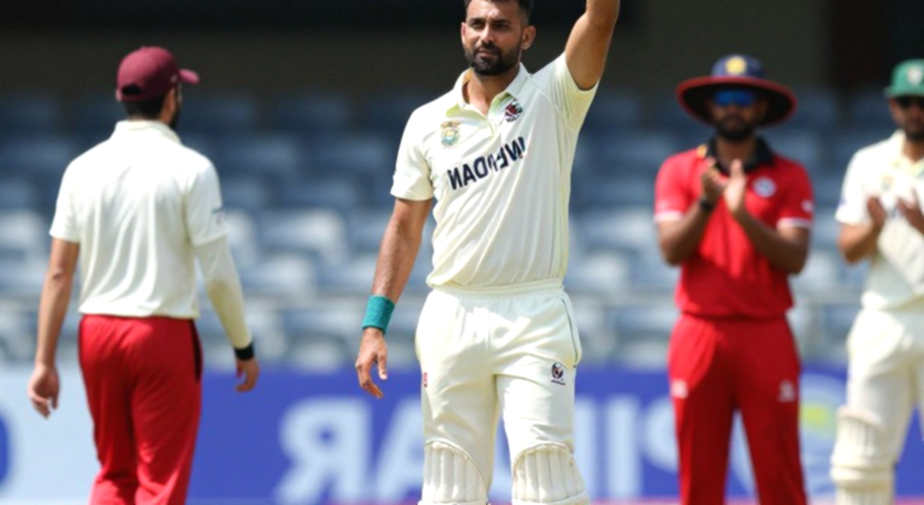
The points table is a ledger, and after this defeat Bangladesh's balance is close to nil. To reach the World Test Championship final they now need four wins and a draw from their remaining five Tests, against West Indies, South Africa and England — the England leg away. That arithmetic is not steep, it is shut. When the qualification window narrows this far, the stakes of the series change: the second Test is no longer about the final, it is about home pride and ranking points. West Indies hold the opposite position — Chase's side wants to close the cycle strongly, with less pressure and fresher expectation.
One injury opened a second page in that equation. Mushfiqur Rahim is out with a finger injury picked up during preparations, not during the match. Losing an experienced middle-order batter in spin conditions cuts directly into Bangladesh's batting depth; this is a structural problem, not a form problem. The one consolation was Nayeem's half-century, which Simmons himself flagged. But lower-order runs become decoration when the top order keeps stopping at 270.
What has not been said about West Indies matters more. Their batting is untested. Chase's side chased with intent, and it is fair to read that as a deliberate attempt to break the old habit of sitting on spin, but Simmons did not single out a single batter for praise. When a winning captain talks only about his bowlers, the message is clear: this team's edge is the new ball and the early seam-spin burst that broke Bangladesh's second innings.
The conventional reading deserves stating at full strength, because it is not wrong: West Indies took the game with the new ball, took four cheap wickets in the second innings, and then batted against spin with control. Discounting that would be dishonest. But one correction is needed. The grass shave did not help Bangladesh's spinners — without grass, bounce on the surface becomes uneven, and uneven bounce exposes a spinner's length instead of hiding it. Shanto's bowlers could not hold a length on a surface built for them. Home advantage only works when line and length cooperate with it; otherwise the pitch simply deceives its host. The second correction: calling West Indies favourites on the strength of Dhaka is premature. Sylhet's surface will differ, and if it turns traditionally the contest levels again.
Two things to watch in Sylhet will be visible before a ball is bowled: the pitch report on toss day, and Mushfiqur's fitness. The first tells you whether the spin fortress is back; the second tells you whether Bangladesh's middle order is hollow or merely tired. Whichever camp reads those two answers in its own favour before 5 November will likely take the series.